The Four Best Fiji Snorkel Spots I Can’t Stop Thinking About
Saltwater Journal is reader supported.
When you buy through our links we may earn an affiliate commission (at no extra cost to you)
Fiji has long been considered one of the world's great snorkelling and diving destinations.
Home to the world’s third-largest barrier reef system and thousands of kilometres of coral reef, its waters support an extraordinary diversity of marine life — from tiny nudibranchs and colourful reef fish to manta rays, turtles and reef sharks. While coral reefs around the world continue to face increasing pressure from warming oceans, Fiji remains one of the Pacific's standout destinations for healthy coral and vibrant underwater ecosystems.
I'd already had a glimpse of Fiji's underwater world. In 2025 I spent time snorkelling off the beach around Savusavu, and took one boat trip to the reefs out from the Jean-Michel Cousteau Resort on the Eastern side of Viti Levu. It was easy to see why Fiji has earned its reputation as one of the South Pacific's premier snorkelling destinations.
But this latest visit was different.
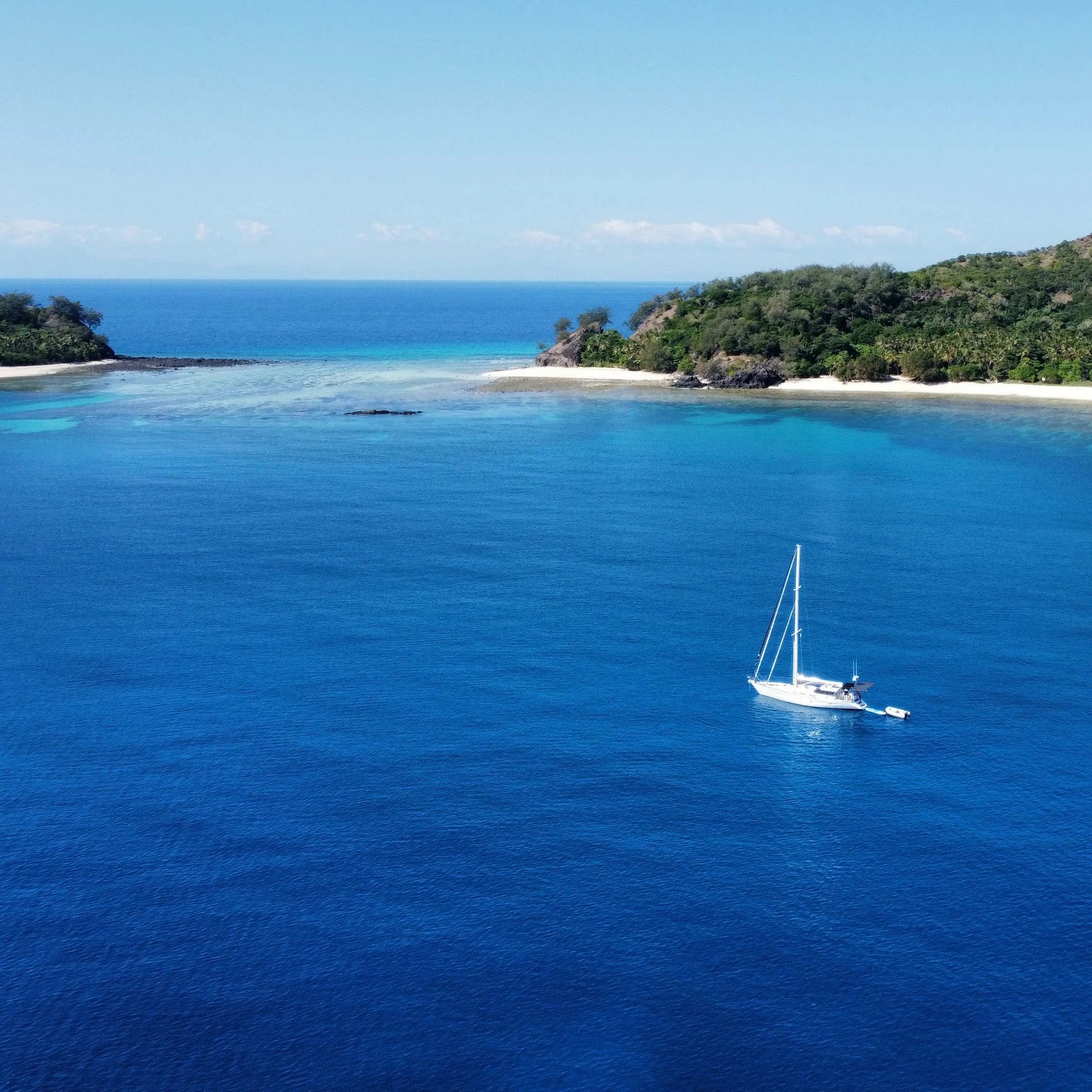
This time, we would spend six-weeks slowly sailing through the Mamanuca and Yasawa Islands on Fiji's Western side — anchoring in different bays, exploring reefs straight from the boat and discovering what was waiting beneath the surface. I certainly wasn't expecting to jump into the water with eight blacktip reef sharks circling the boat but it happened and became one of my most memorable snorkels.
By the end of our time cruising Fiji, we had drifted through marine reserves, swum alongside towering coral bommies, discovered an underwater sculpture garden and spent afternoons exploring in water that looked too blue to be real.
So, where's the best snorkelling in the Mamanuca and Yasawa Islands?
Fiji has over 10,000km2 of reef, including countless bommies (underwater pinnacles of coral) and 322 islands so in all honesty it’s very difficult to say ‘this is the best of all time’. In part the experience depends on the time of year, weather conditions, and luck of the draw with what marine life happens to be hanging around that day (I’m still waiting to swim with a turtle!).
But I CAN tell you about the four snorkels I haven't stopped thinking about. And if you get a chance to explore this beautiful part of Fiji, I think you’ll love these too.
Vanua Levu Island & Navadra Islands’ Reef | Mamanuca Island Group
Best for: Healthy coral, Blacktip Reef sharks and snorkellers of all abilities
Two great snorkelling spots either side of Navadra Island
The Blacktip Reef Sharks
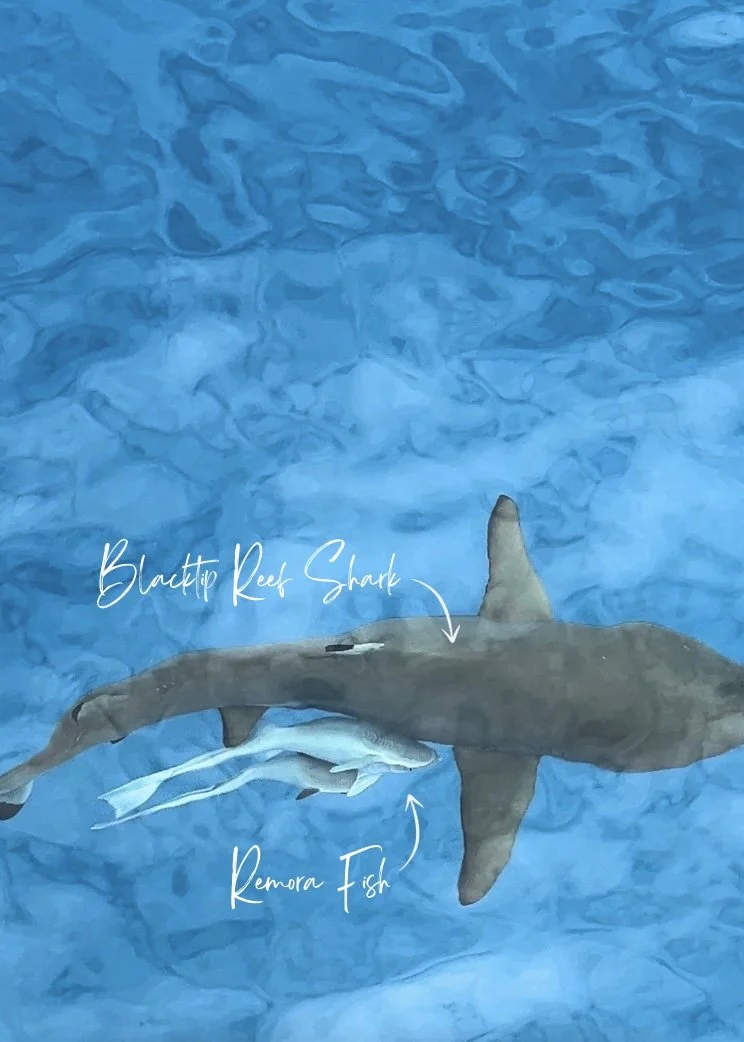
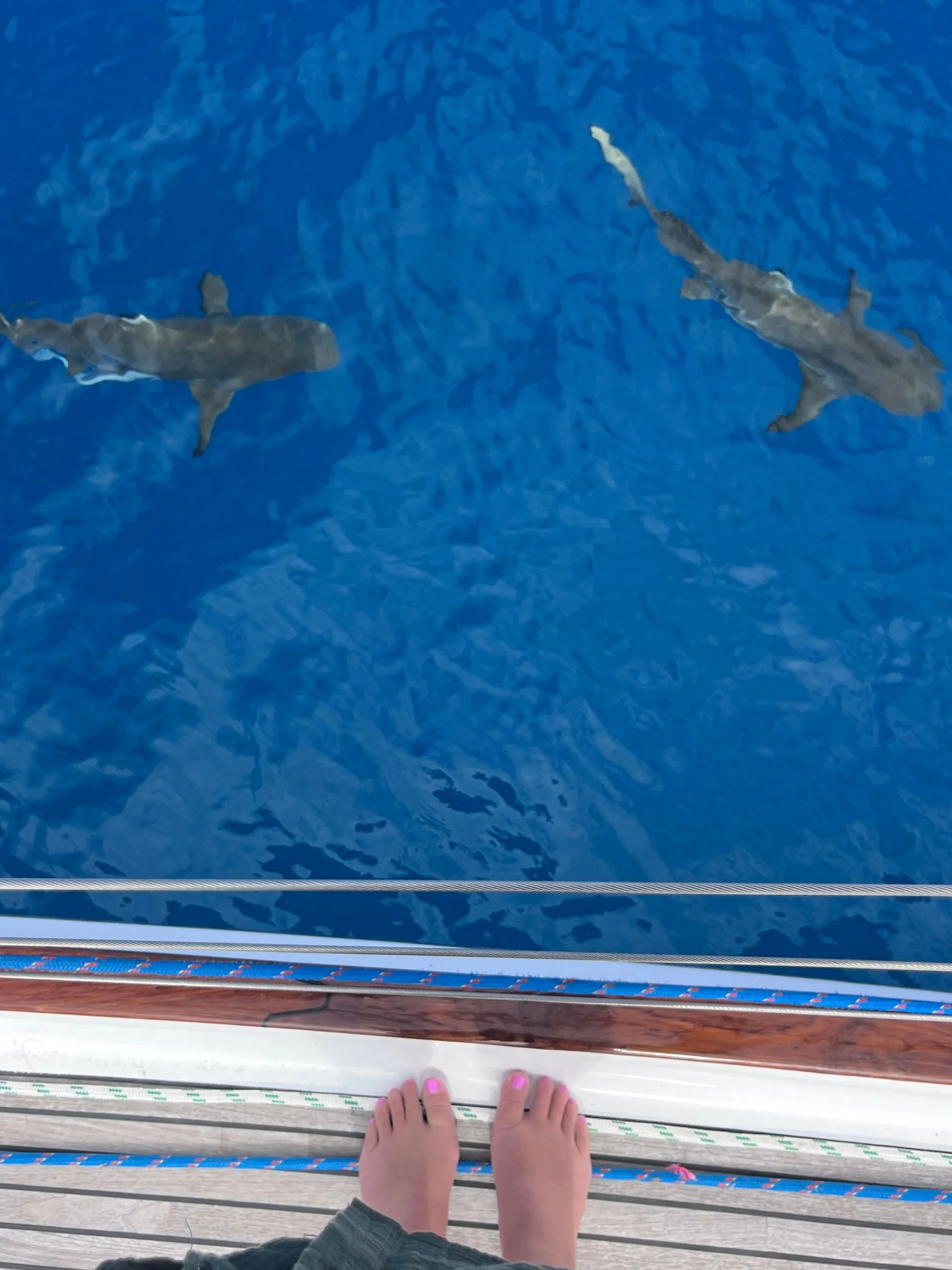
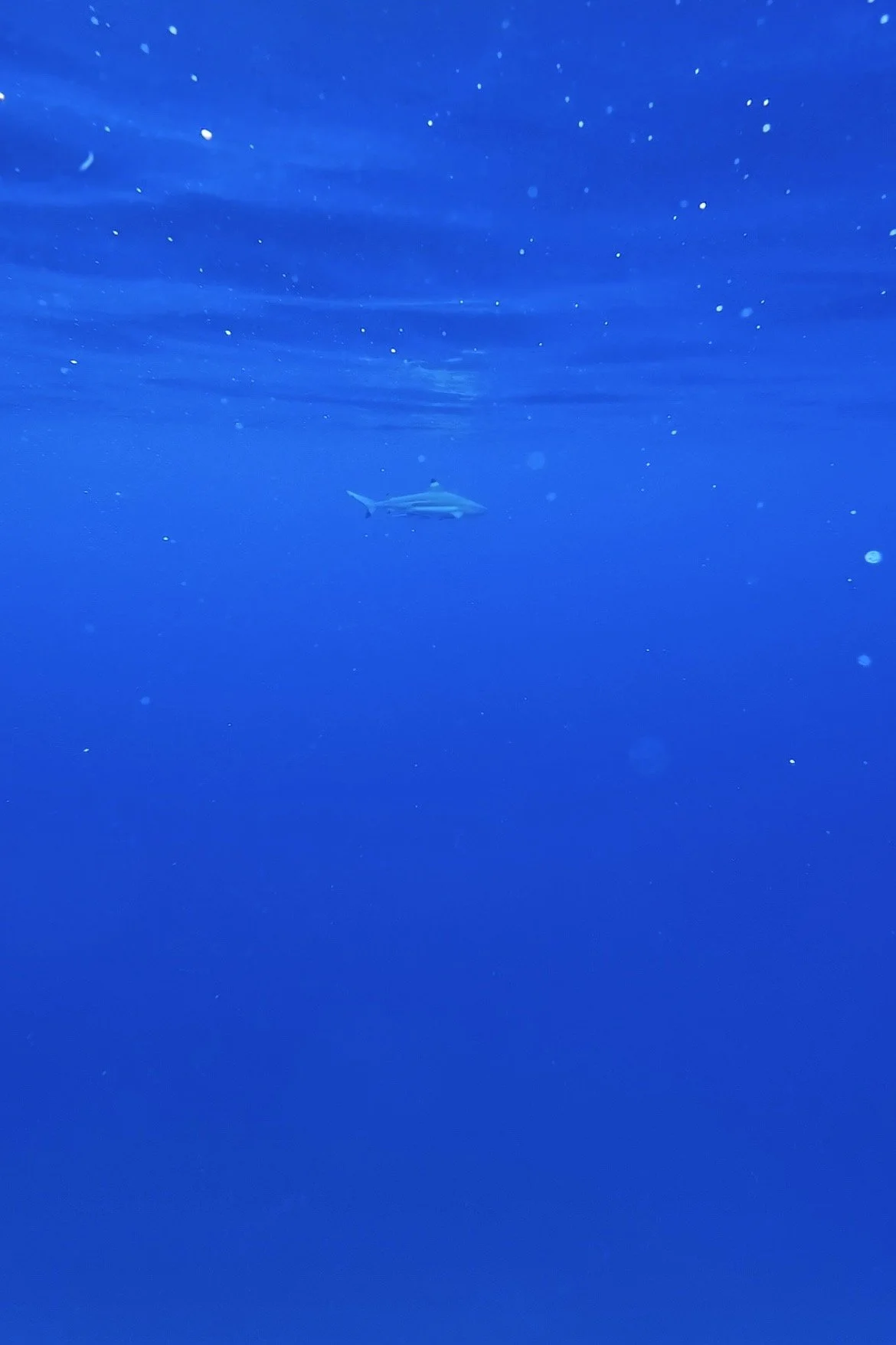
A Blacktip shark does a swim-by about 30m away
This was my favourite snorkel in Fiji. The sharks appeared within minutes of us motoring into the bay and idling over our spot to drop the anchor. A friendly welcoming committee. One shark appeared, then another, until eight of them lazily patrolled circles around the yacht. As the chain pulled taut, and engine switched off, I stood on the sugar scoop watching them, wondering whether I really wanted to be first to jump in.
Intellectually, I know Blacktips aren’t aggressive, but watching sharks below my soft delicious feet feels very different to reading Google’s assurance that they’re friendly.
Call me a cat, but curiosity always wins. I grabbed my mask and fins and slid into the water.
I needn't have worried! The visibility was great, I could see a long way (one hand clinging on to the swim ladder) but they only drifted over for a quick look circling the boat a few more times, before the whole crew were in the water, and the sharks disappeared back into the blue. Ironically, I found myself hoping they'd return, as I swam out further seeing if I could spot them.
Several had Remora fish attached beneath them which was neat to see (the suckerfish that spend their lives hitching rides on larger marine animals in a ‘you look after me, I’ll look after you’ symbiotic relationship).
The Fringe Reef
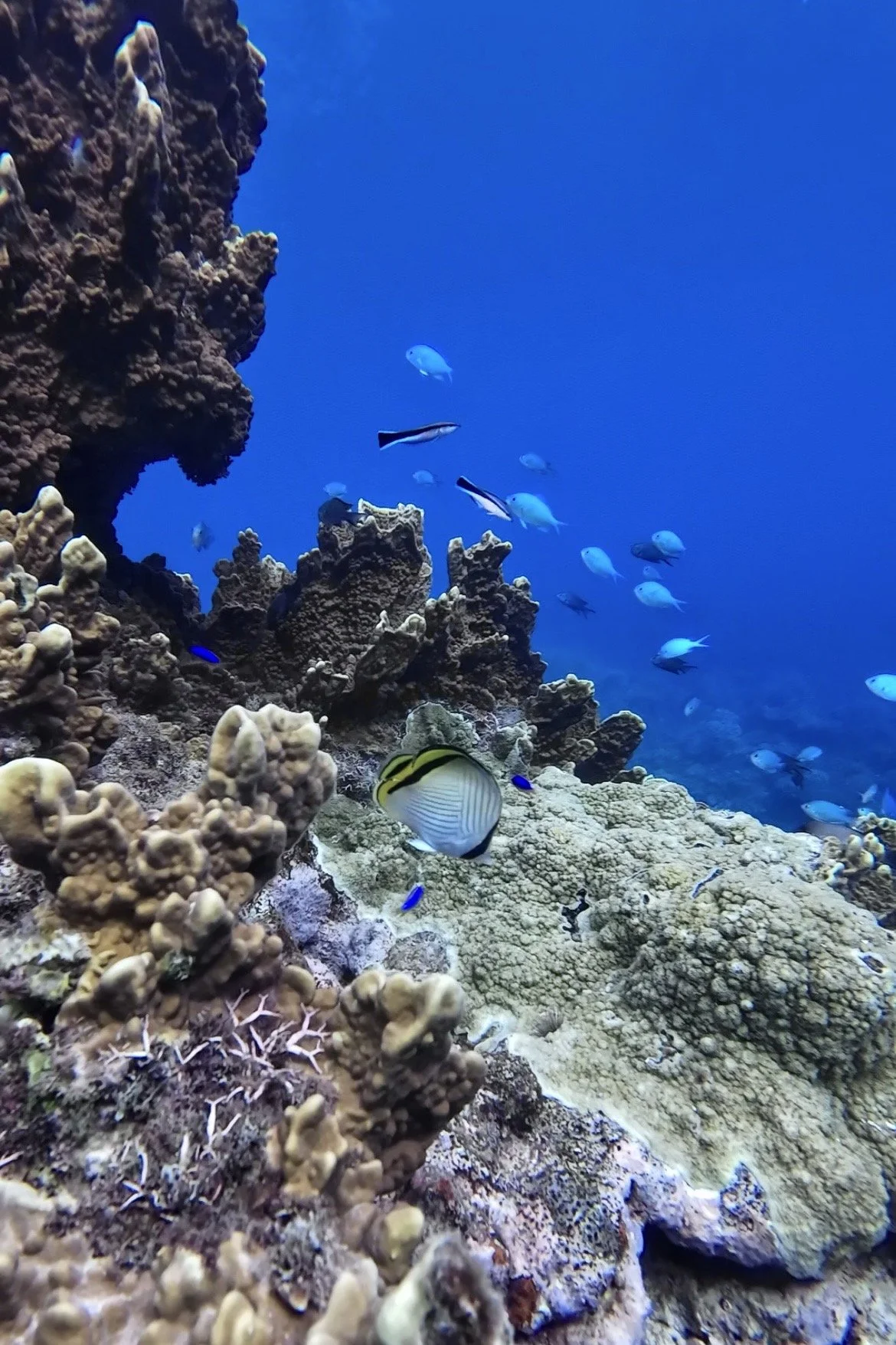
Colourful life below water on the Eastern reef — featuring the Vagabond Butterfly fish (above) and the Redfin Butterfly fish (below), along with healthy hard coral formations
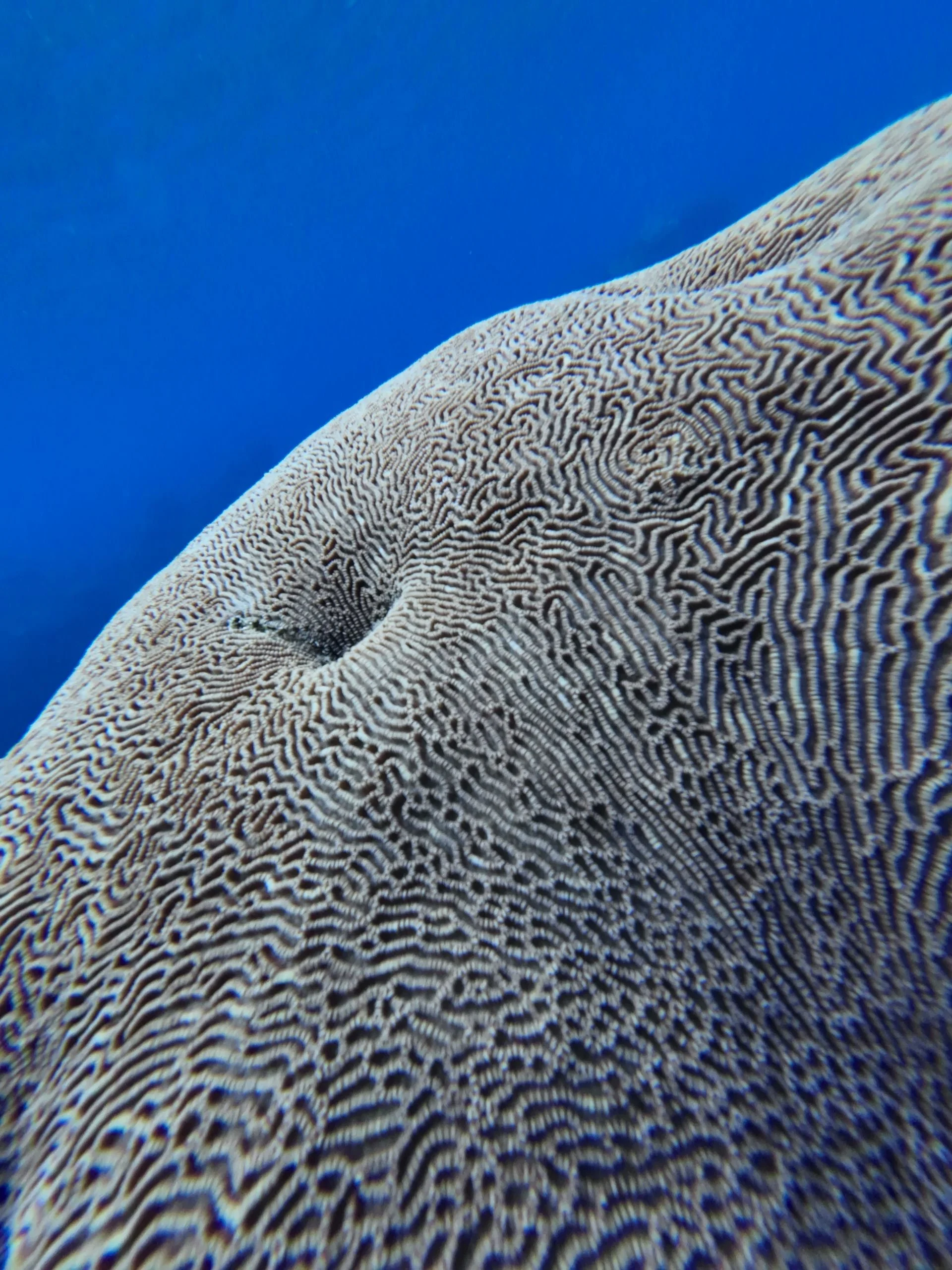
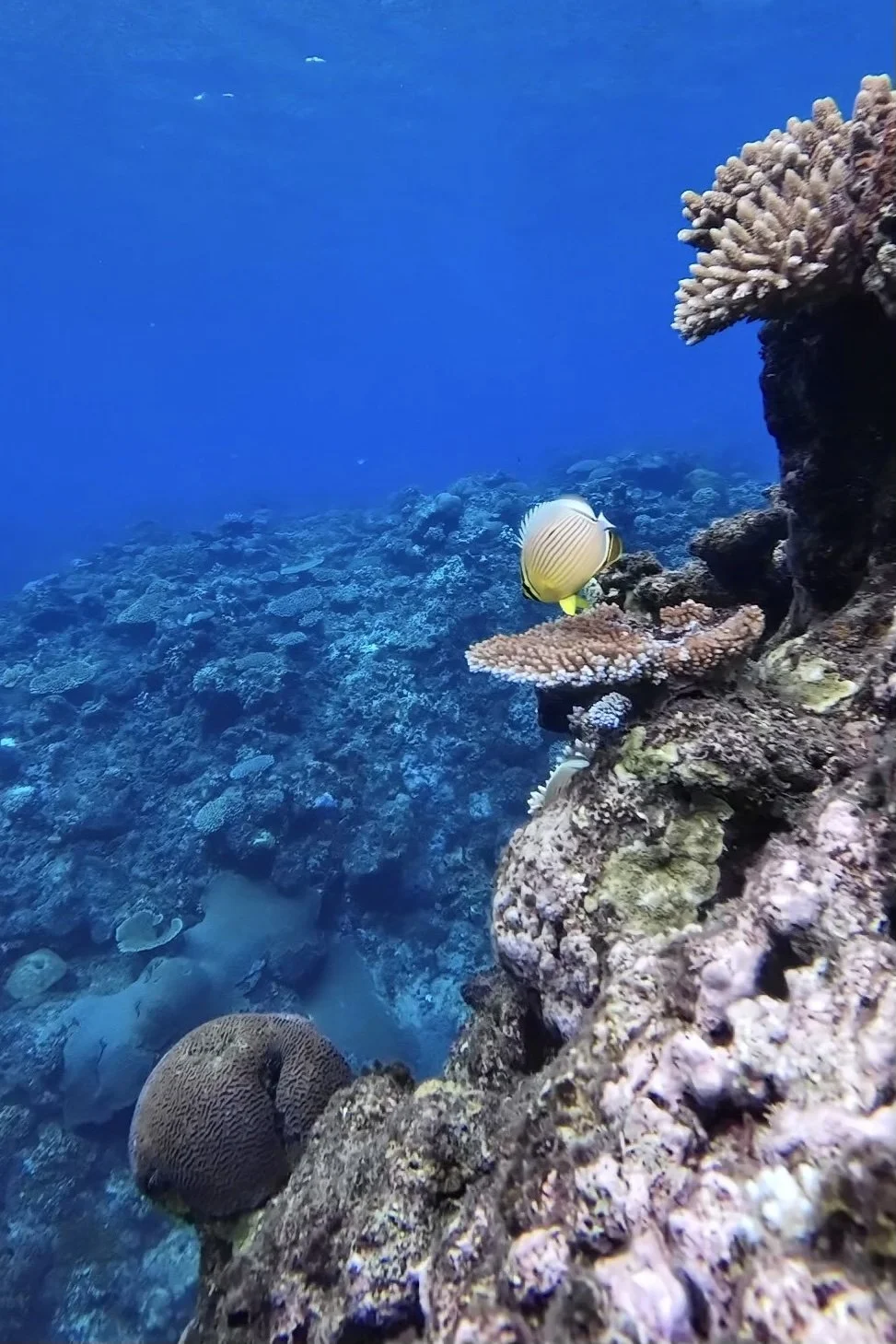
The first area we explored underwater here was the fairly shallow fringing reef (it comes off the shore) on the Eastern (anchorage) side between the two islands Vanua Levu and Navadra. Patches of brightly coloured and healthy corals (hard and soft) stretched between undulating reef alive with marine species — varieties of butterfly fish, bannerfish and damselfish. Along the outer edge, the reef dropped into blue water, creating a decent small wall to explore if you're comfortable snorkelling over depth.
The Western side of Navadra offered something completely different. There the reef forms a protected lagoon, creating calm, warm, shallow water that's perfect for less confident snorkellers or families with kids. Still plenty of bright tropical fish darting from coral hidey hole to hidey hole! We didn’t get a chance to dive the outer barrier reef from there as the waves were breaking but it would also be a good spot to check out.
Between the variety of corals, the sharks, the white sand beach and that impossible shade of turquoise water, this became the snorkel I'd happily do over and over.
Good to know
Visibility is best on the incoming tide
The fringe reef between the two islands on the Eastern side has a beautiful drop-off for confident snorkellers
The Western lagoon is sheltered and ideal for beginners
Keep an eye out for Blacktip reef sharks and Remoras
Anchoring
017° 27.324’S | 177° 02.845’ E
10-12m depth | Sandy bottom | Good in E-W sector winds
Note: If you want to dinghy over to the reef between the two islands, there are a couple of good big sandy spots to drop your dinghy anchor, without touching the reef.
2. ‘The Swimming Pool’, Monu Island| Mamanuca Island Group
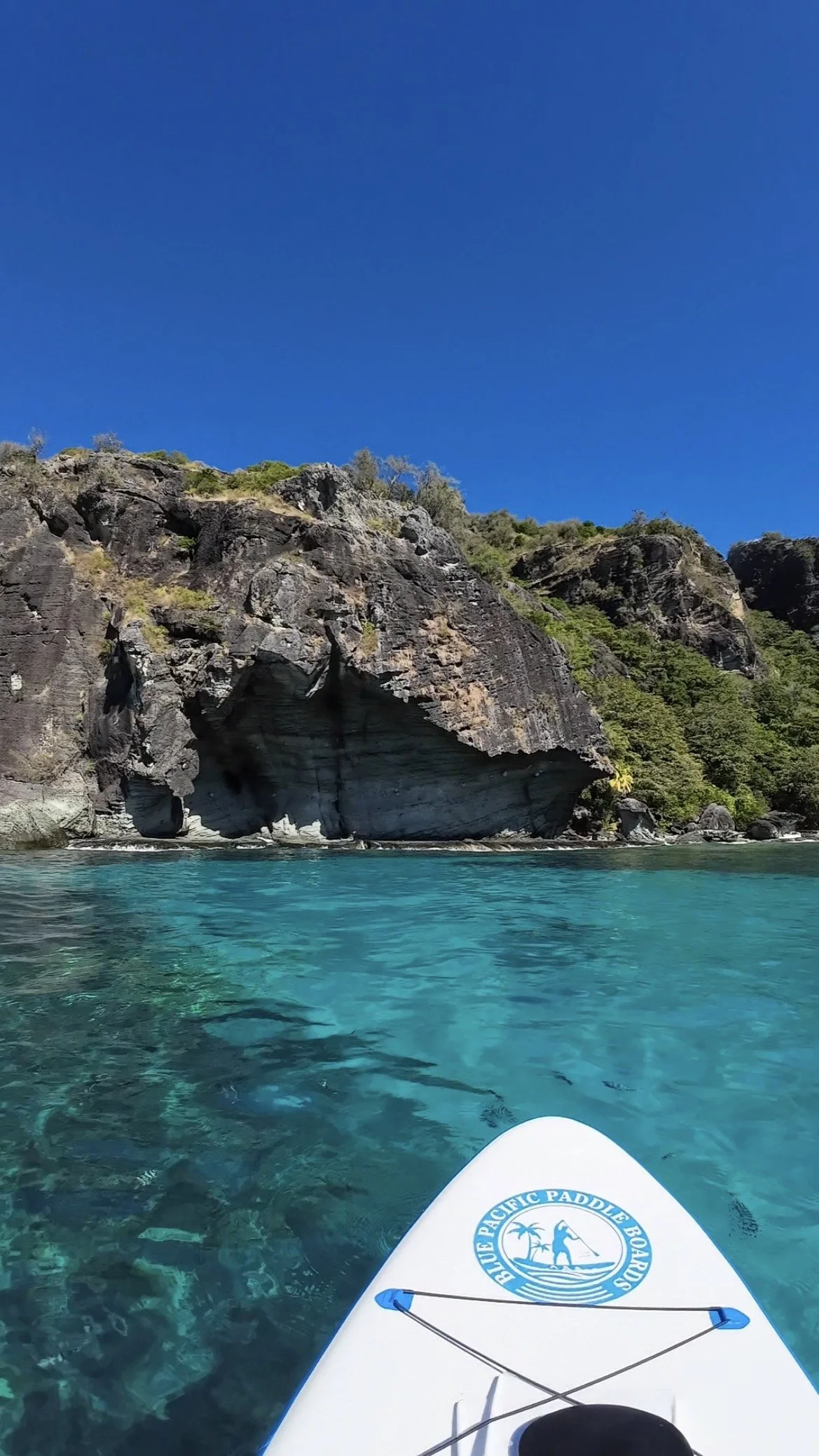
The white sandy ‘Swimming Pool’ at the base of the northern Monu Island cliffs
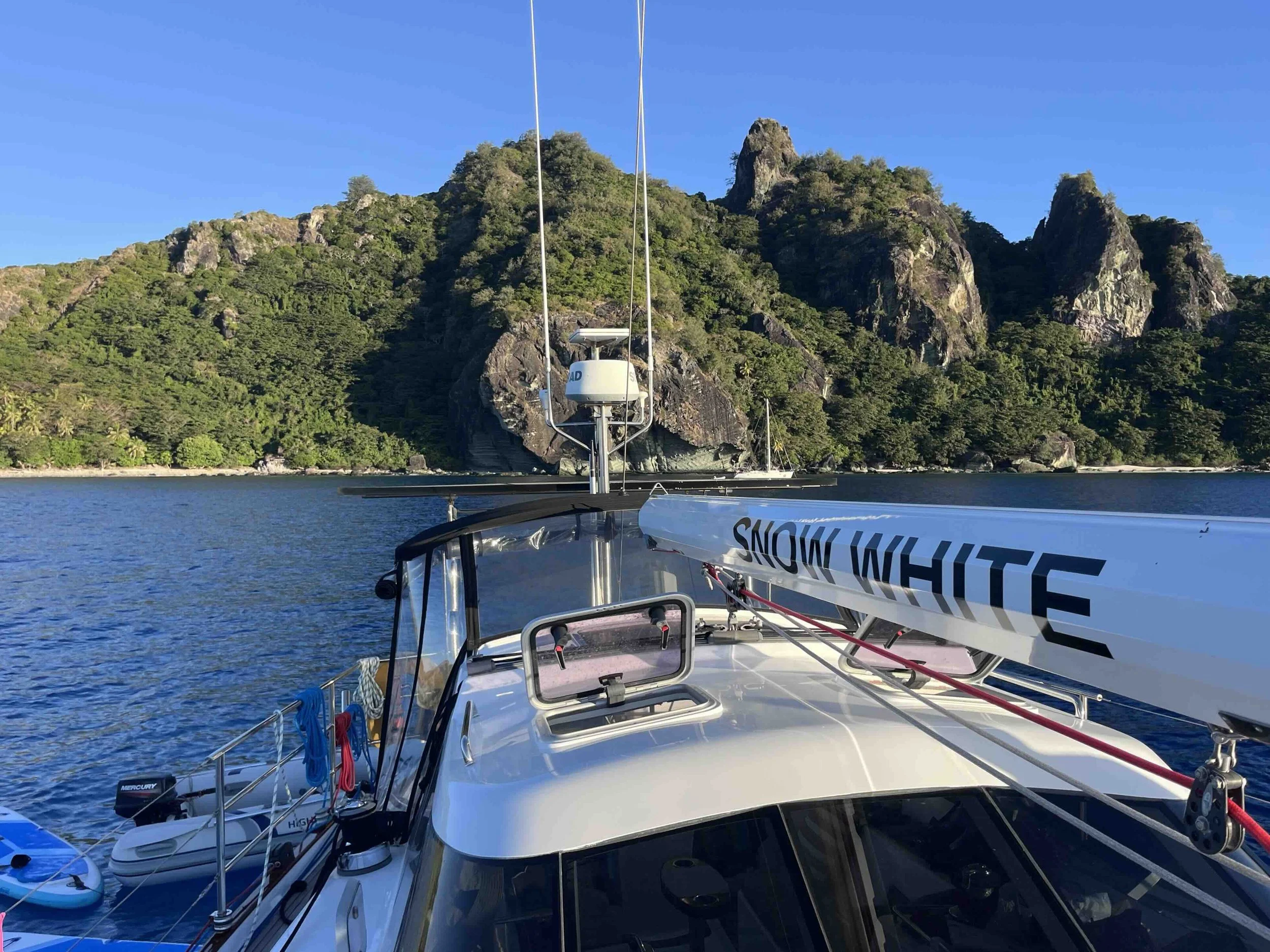
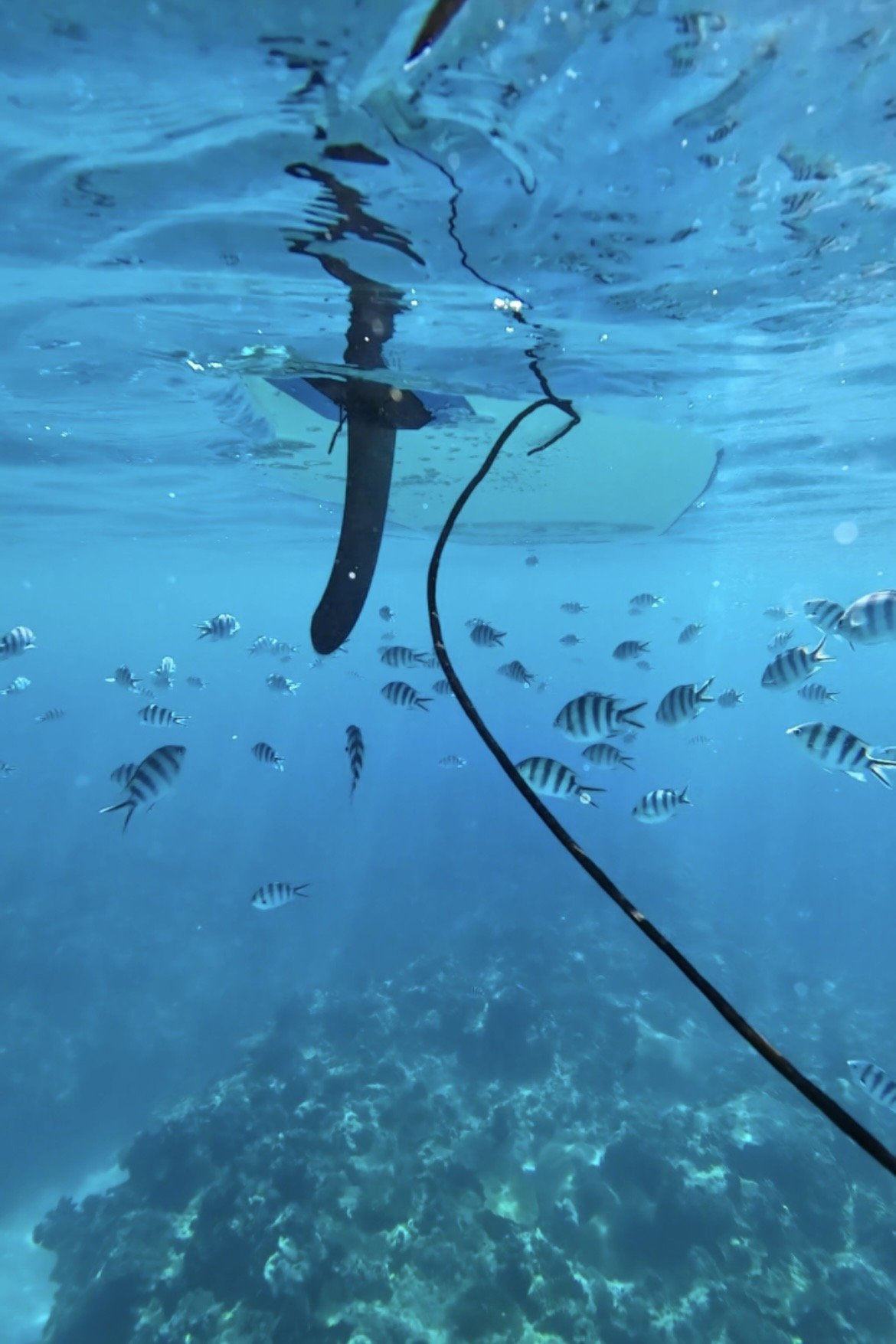
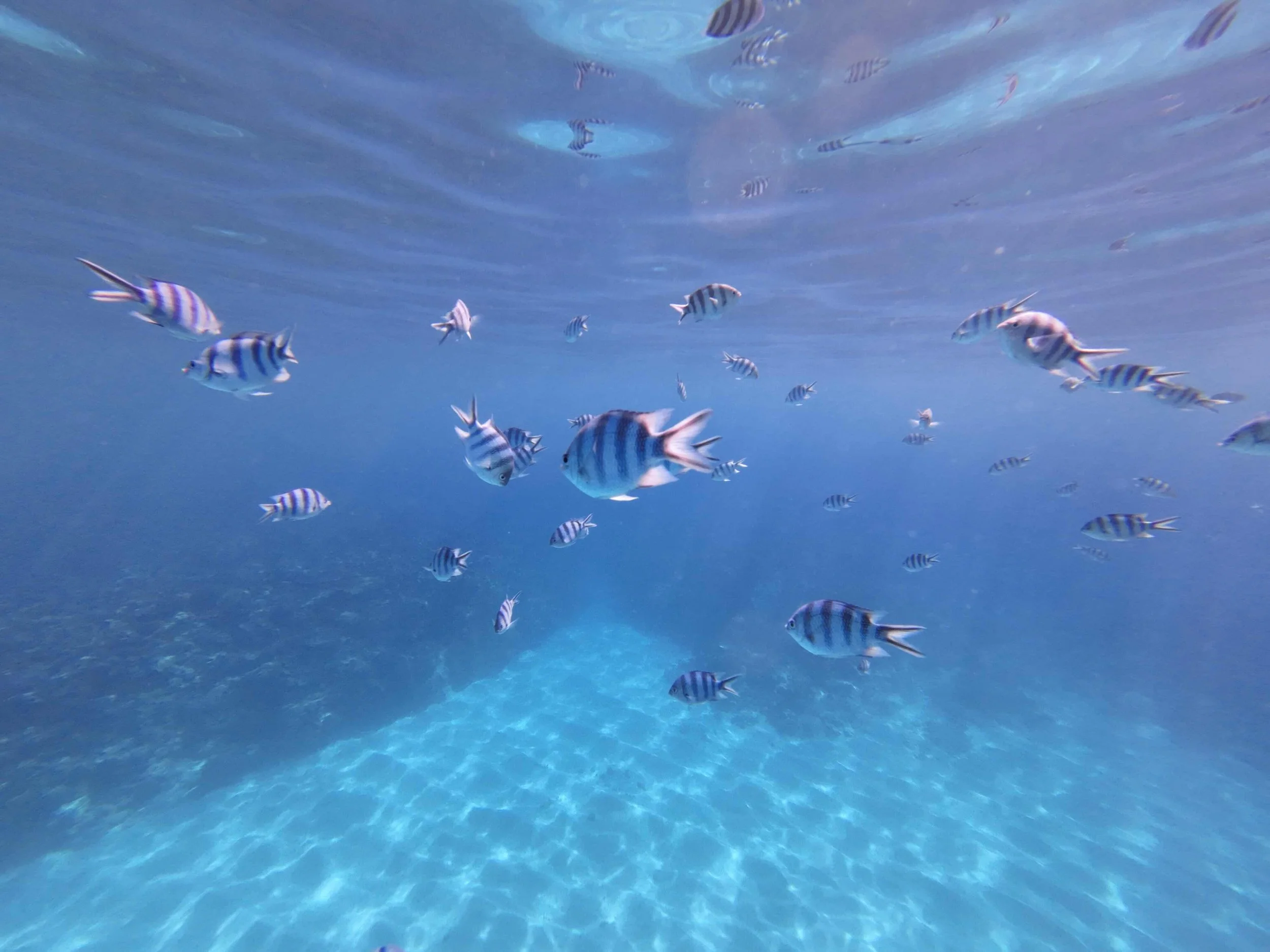
Our yacht Snow White anchored on the northern side of Monu Island, in the Mamanuca Island group (above) and plenty of Scissortail Sergeant fish hanging out with me (below)
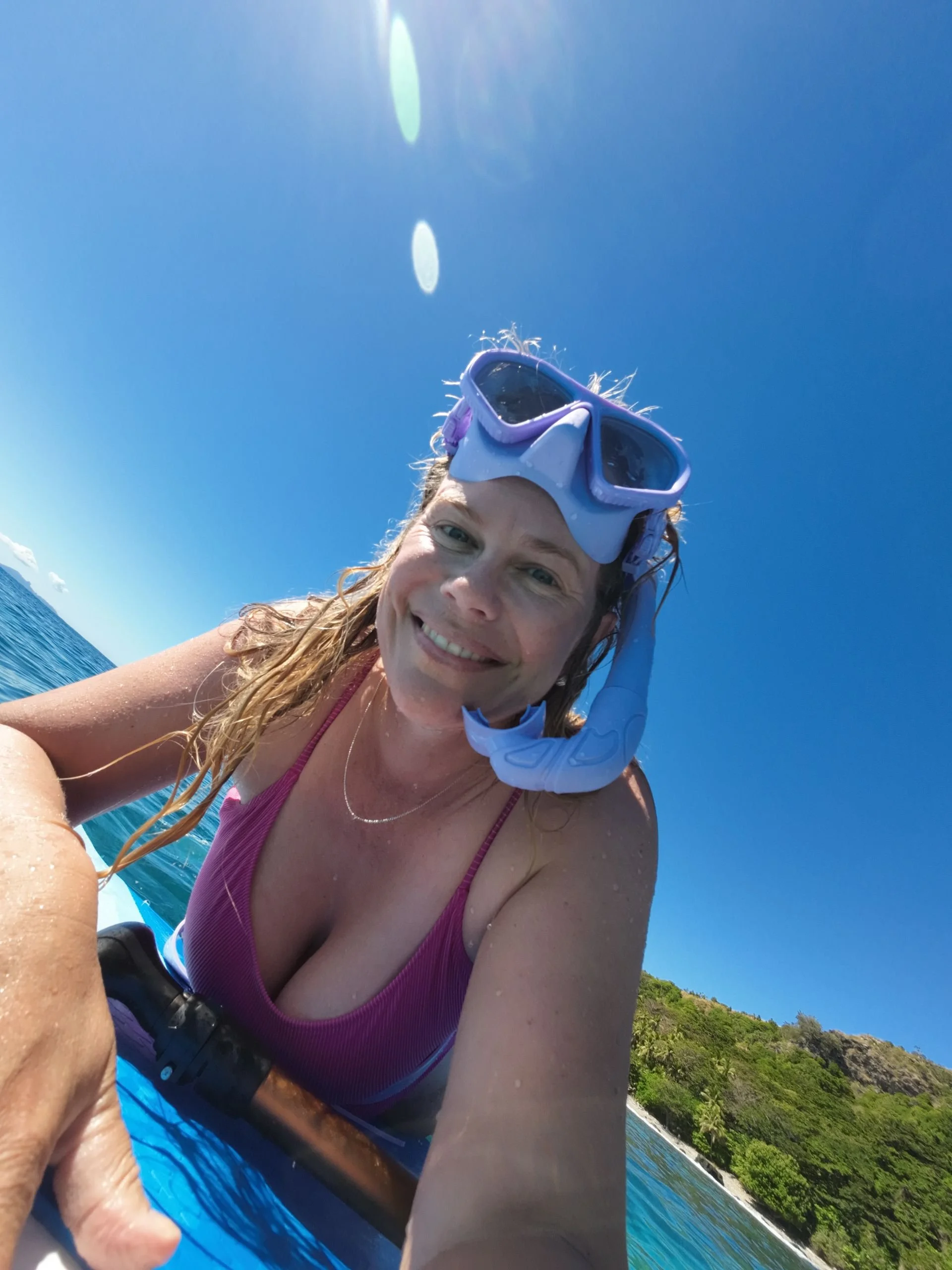
Best for: Dramatic scenery, crystal-clear water and friendly schools of fish
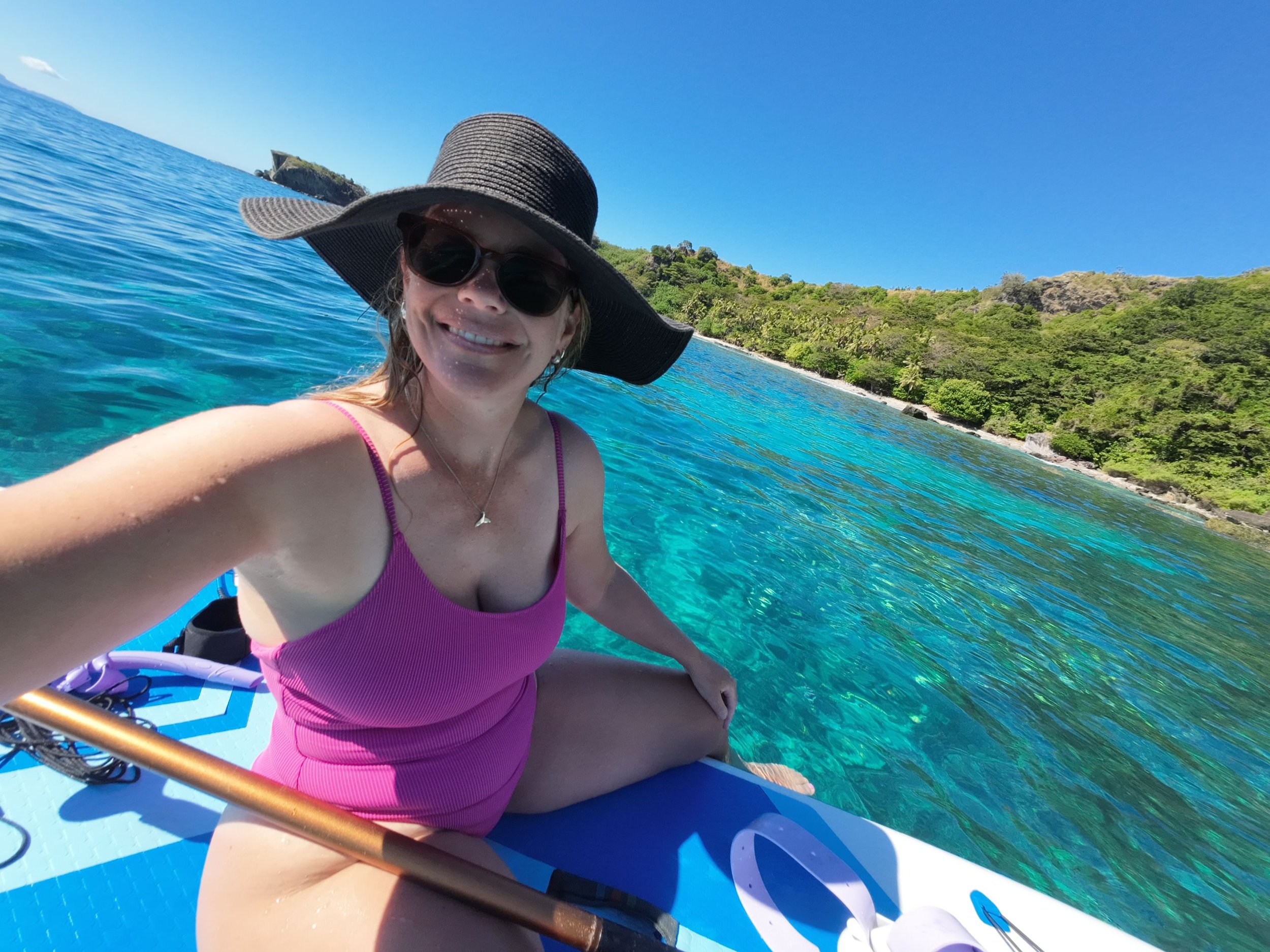
If Vanua Levu was my favourite overall, Monu Island was easily the most beautiful. There’s an area of sand — a patch of vivid white under azure water, that’s nestled at the base of huge towering limestone cliffs, with an impressive cave-like cavity at the bottom nicknamed ‘The Swimming Pool’. I think the local tour boats must feed the fish here because as soon as I was off my paddleboard into the water, I was completely surrounded by Sergeant Major fish coming to say hi.
Swimming through a cloud of striped fish that come right up to your face, beneath the towering cliffs of a beautiful uninhabited little island is absolutely magic. (There’s also a chance Tom Hanks took a dip here, as he filmed ‘Castaway’ on Monuriki Island which is just behind this one).
Although this is a popular stop for day boats, the afternoons are usually peaceful. We floated on the SUPs, paddled the coastline a little and watched as the sunset set the rocks ablaze with golden light.
The towering limestone cliffs, gorgeous blue water and clouds of fish combine into one unforgettable place.
Good to know
Best visited earlier or later in the day to avoid tour boat crowds
Crystal-clear water makes this a great photography spot
Expect plenty of friendly Sergeant Major fish
Calm conditions make it suitable for most snorkellers
Anchoring
017° 35.404’S | 177° 02.367’ E
18-20m depth | Sandy bottom between bommies | Only good overnight in S-SE winds
3. Blue Lagoon Coral Sculpture Garden, Nacula Island | Yasawa Island Group
Best for: Something completely different
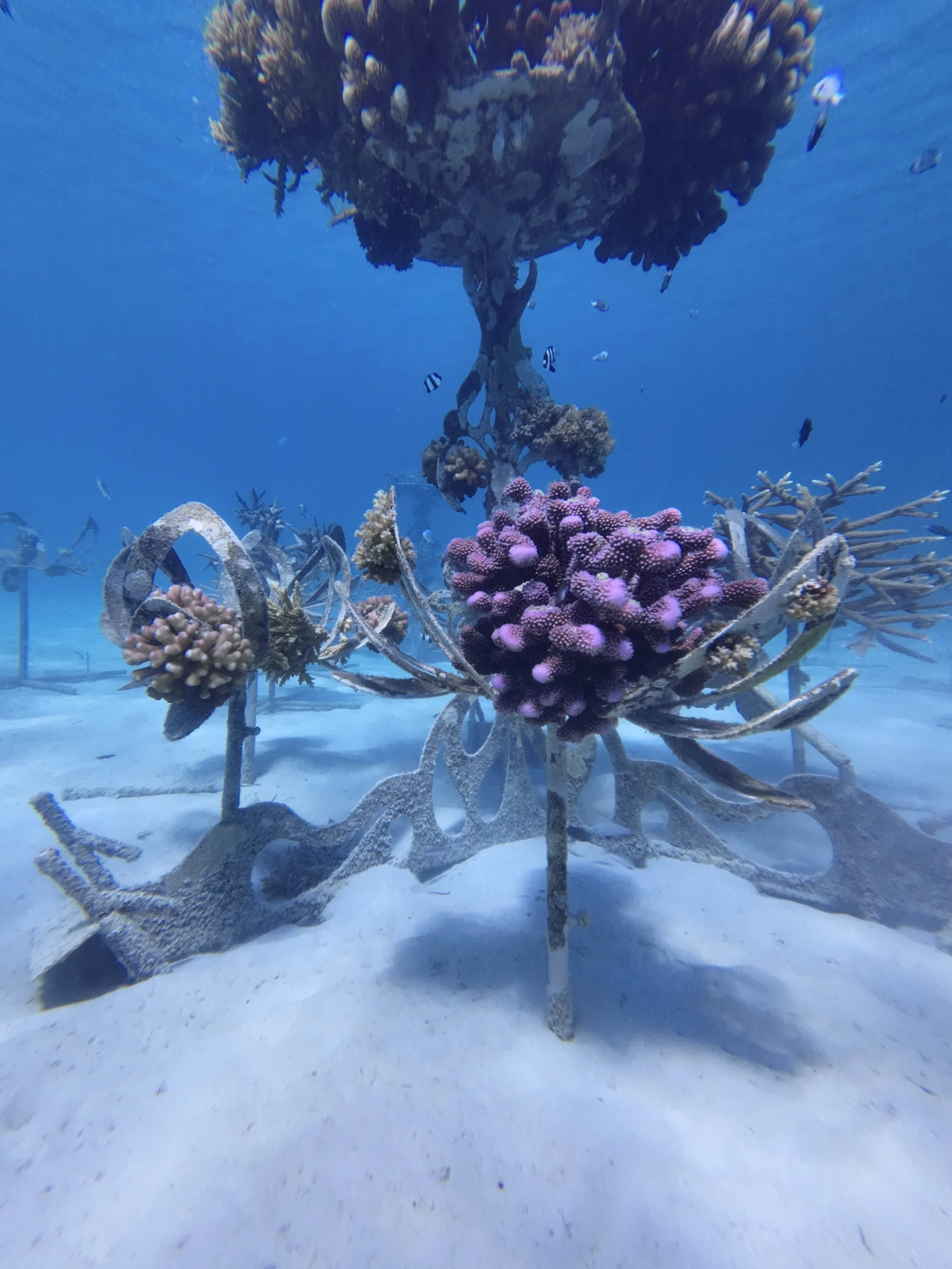
Stunning reef formations grown with mini ecosystems of fish at the Blue Lagoon Sculpture Garden on Nacula Island, Fiji
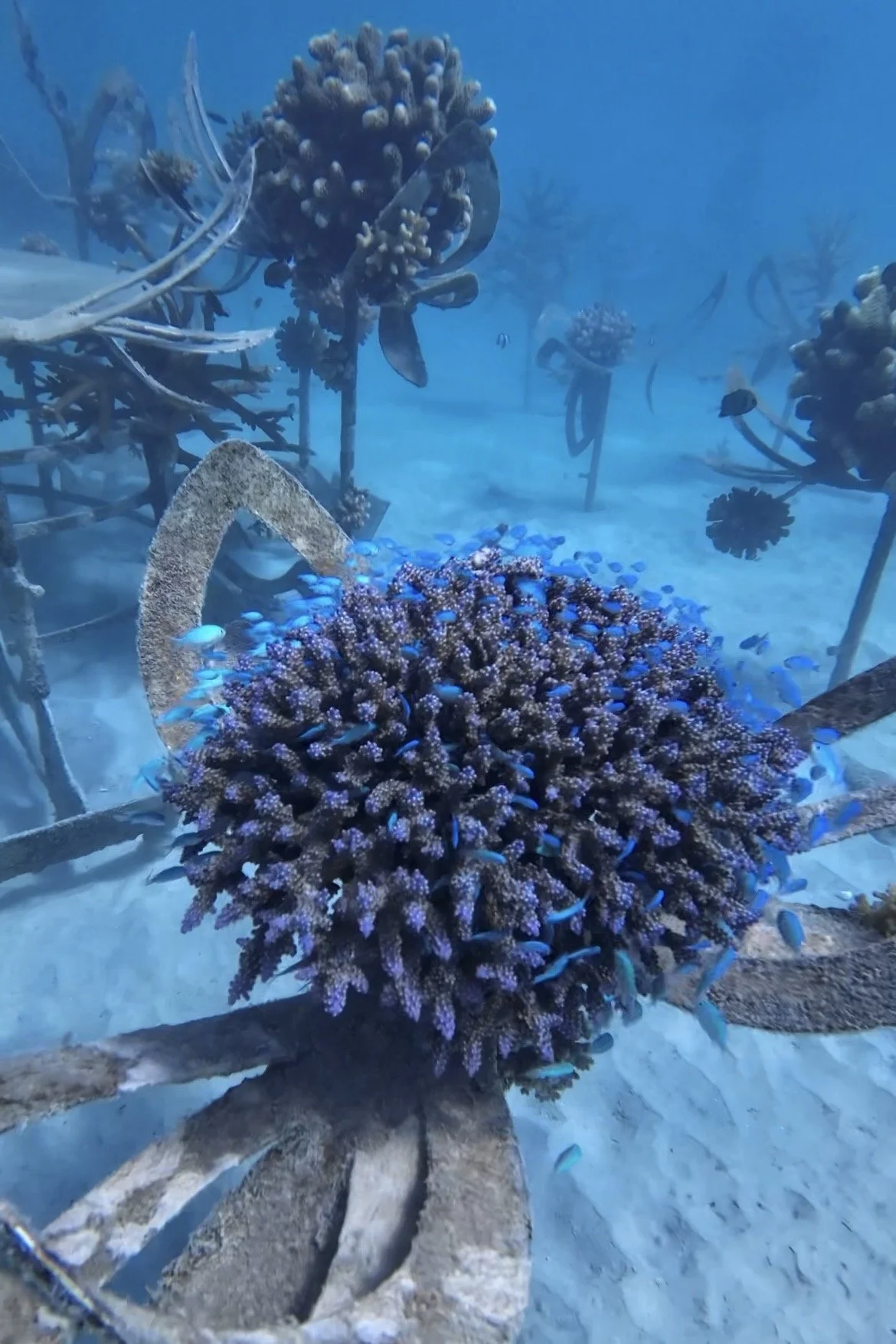
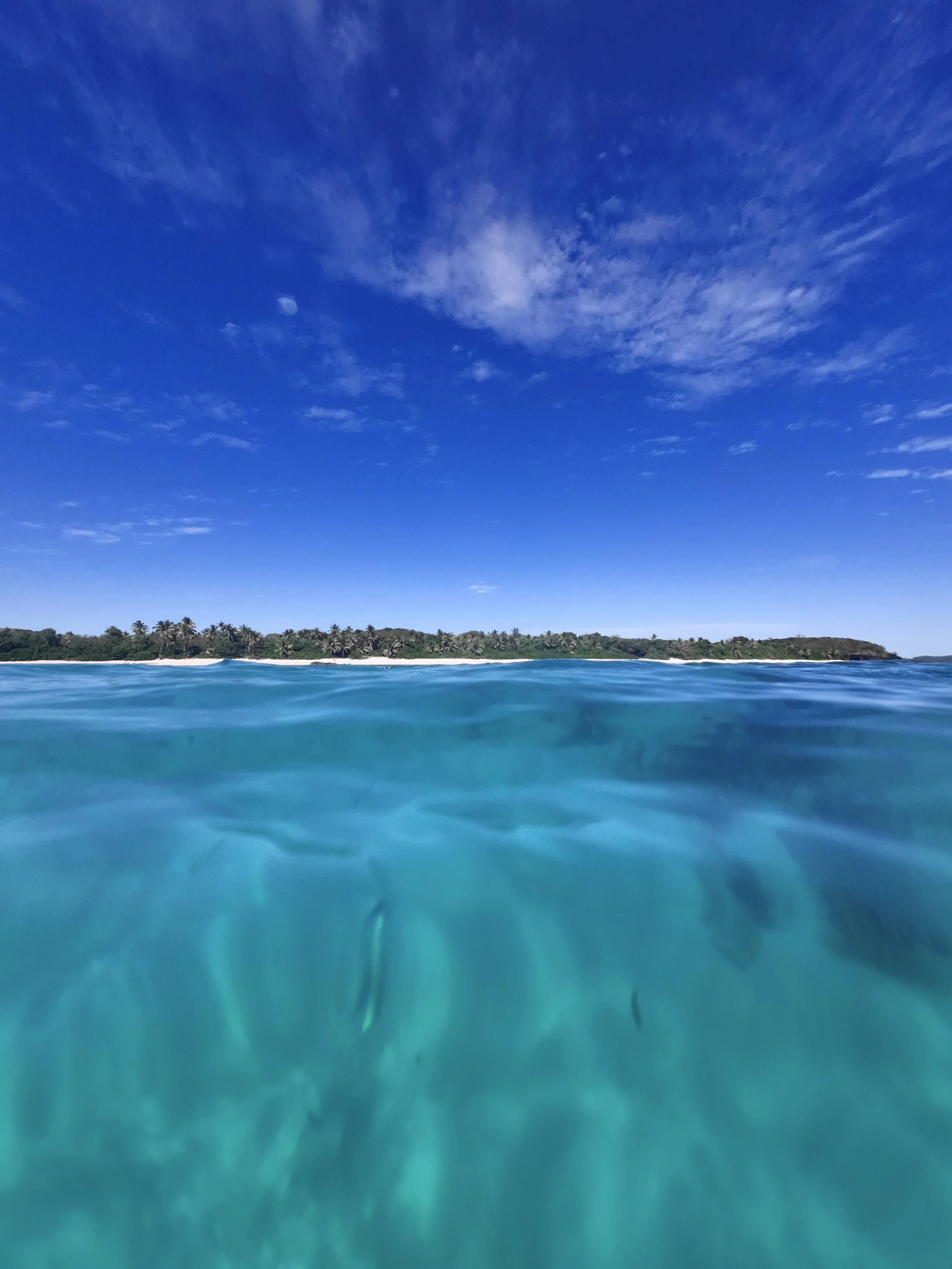
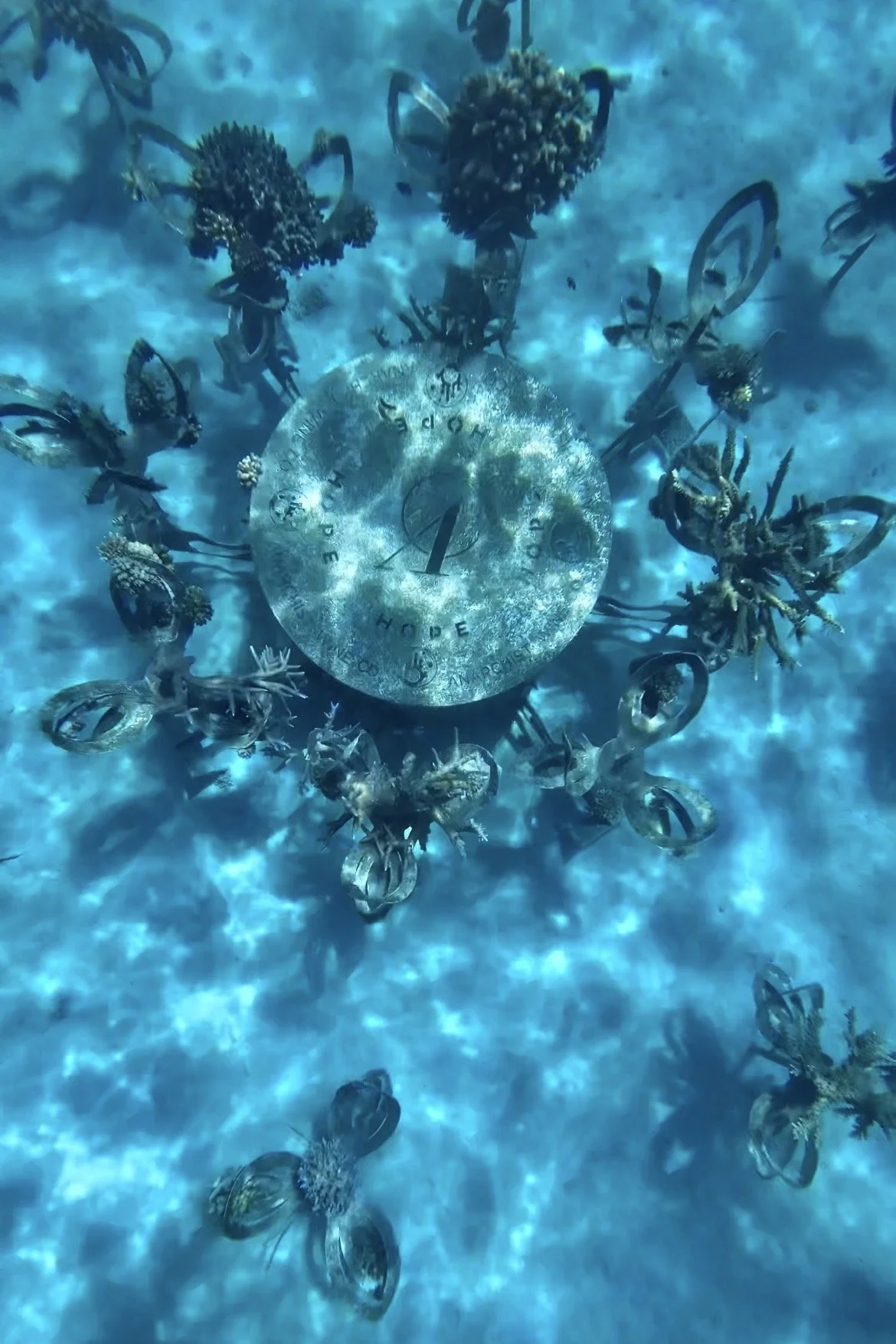
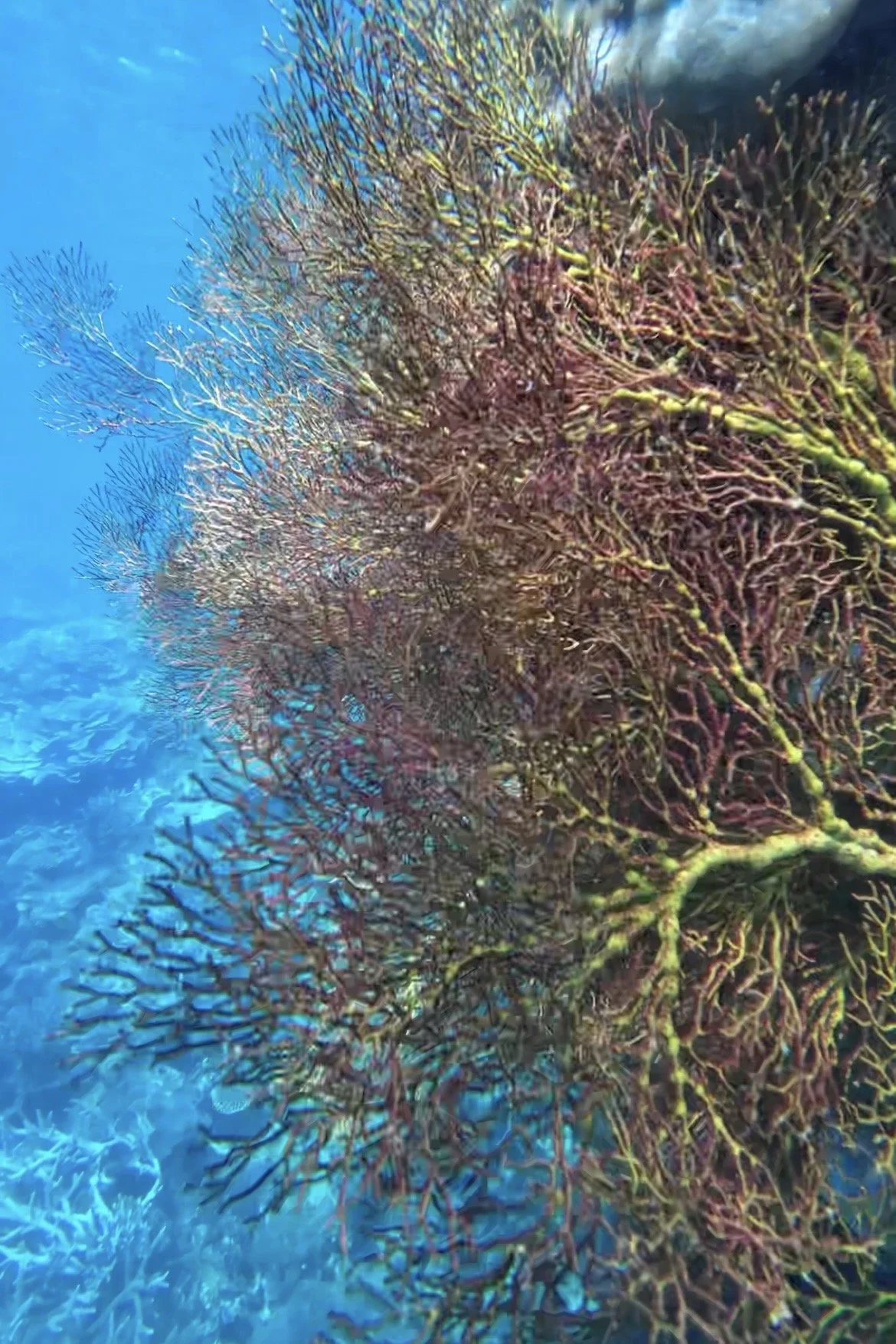
Nacula Island is in Fiji's Ba Province. It’s the third-largest and is the second-farthest north in the Yasawa group of islands, and it’s well worth making the trip up there. Starting at the reef edge just south of Blue Lagoon Beach Resort, we followed the coral gardens towards shore. Healthy bommies (with some beautiful soft coral sea fans) gradually gave way to brilliant white sand before something unexpected appeared beneath us.
The Blue Lagoon Coral Sculpture Garden.
At first, it feels like an underwater art gallery (or an underwater floral version of Stonehenge) with a series of stainless steel platforms and propeller-like structures set in a circular pattern. Look a little closer and you see it's also a living reef restoration project — with hundreds of tiny fish at home within new coral growth. Submerged 4.5m underwater and spanning 18m across, this stunning living art piece nurtures over 370 corals, safeguarding the future of the island and community's coral reefs. (There is a coral gene bank at this conservation site which is quite interesting).
Coral is already taking hold across many of the sculptures, slowly turning them into beautiful minature reef displays. There were so many incredibly vibrant species of tropical reef fish here, that it became one of the most enjoyable snorkels of my trip.
It's not every day you get to dive down to see something like this!
Good to know
Start at the southern reef edge and snorkel back towards shore
The coral sculpture garden sits over white sand in around four and a half metres of water
Great visibility on sunny days (incoming tide is best for clarity)
Take your time!
Anchoring
016° 54.456’S | 177° 23.010’ E
6-7m depth | Sandy bottom with great holding | Fairly protected in all winds but a swell does tend to make it’s way around at times
4. Manta Ray Passage, Drawaqa Island | Yasawa Island Group
Best for: Drift snorkelling and the chance to see Manta rays.
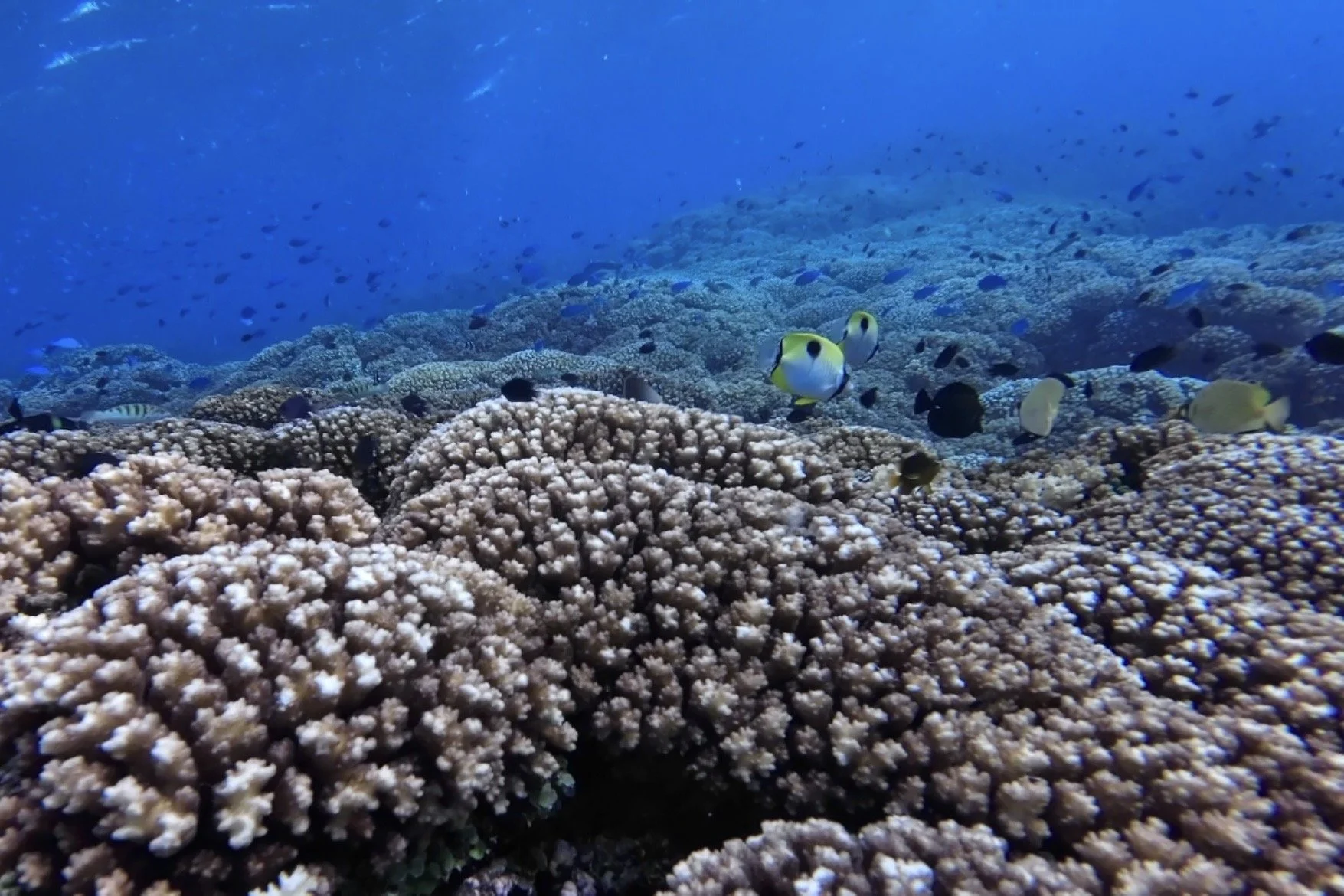
Huge schools of fish chilling out in ‘Manta Ray Passage’ as we drift snorkel past
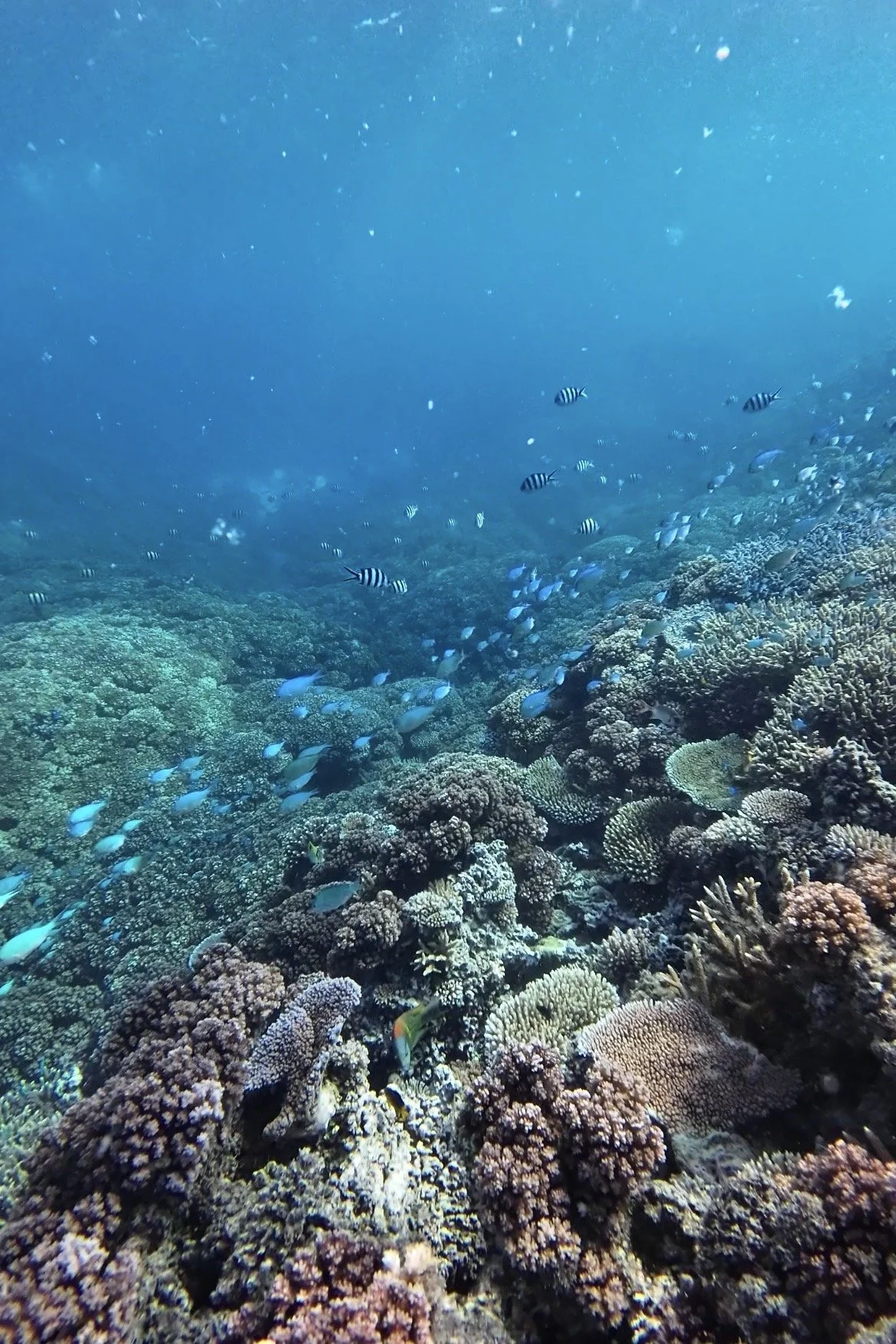
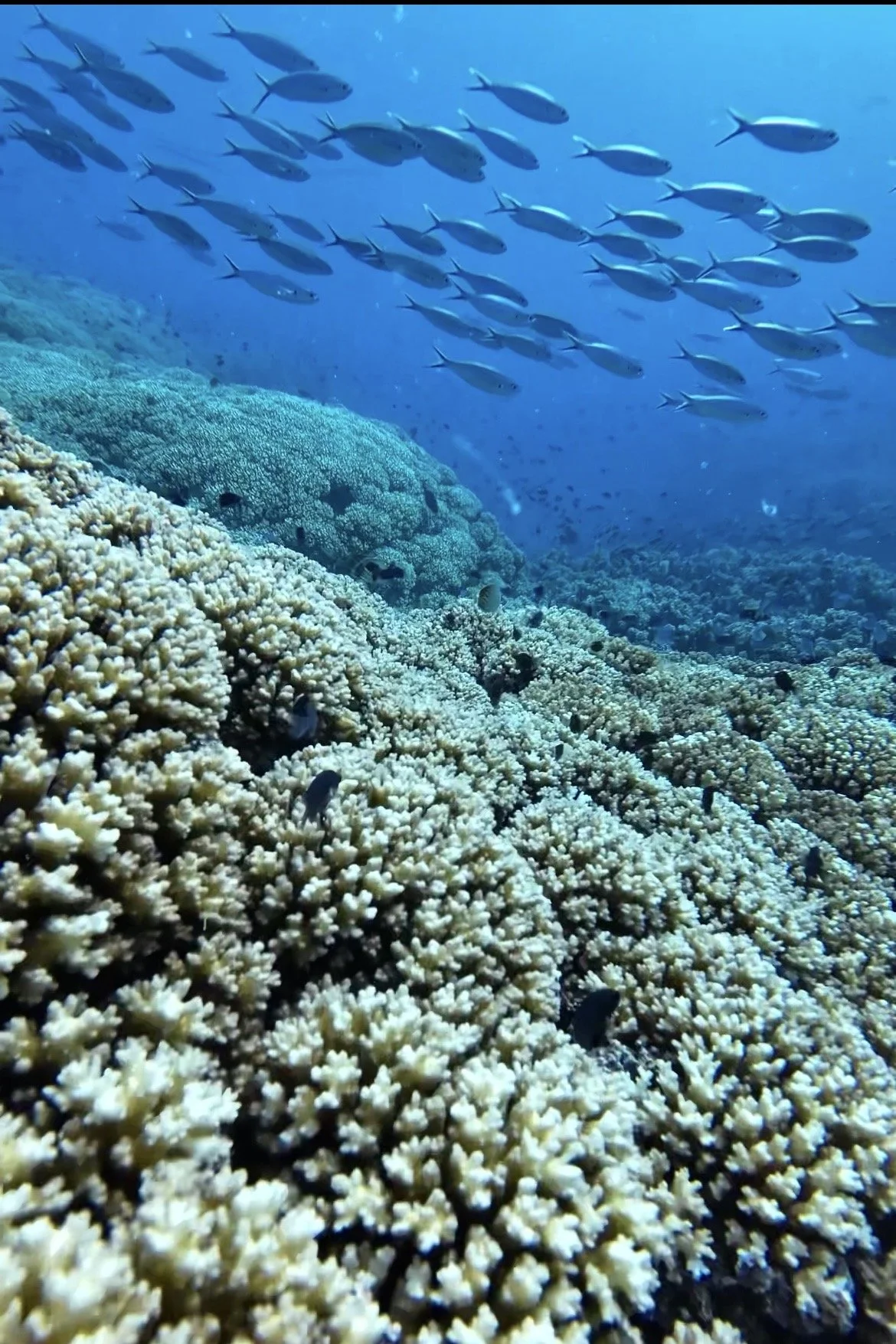
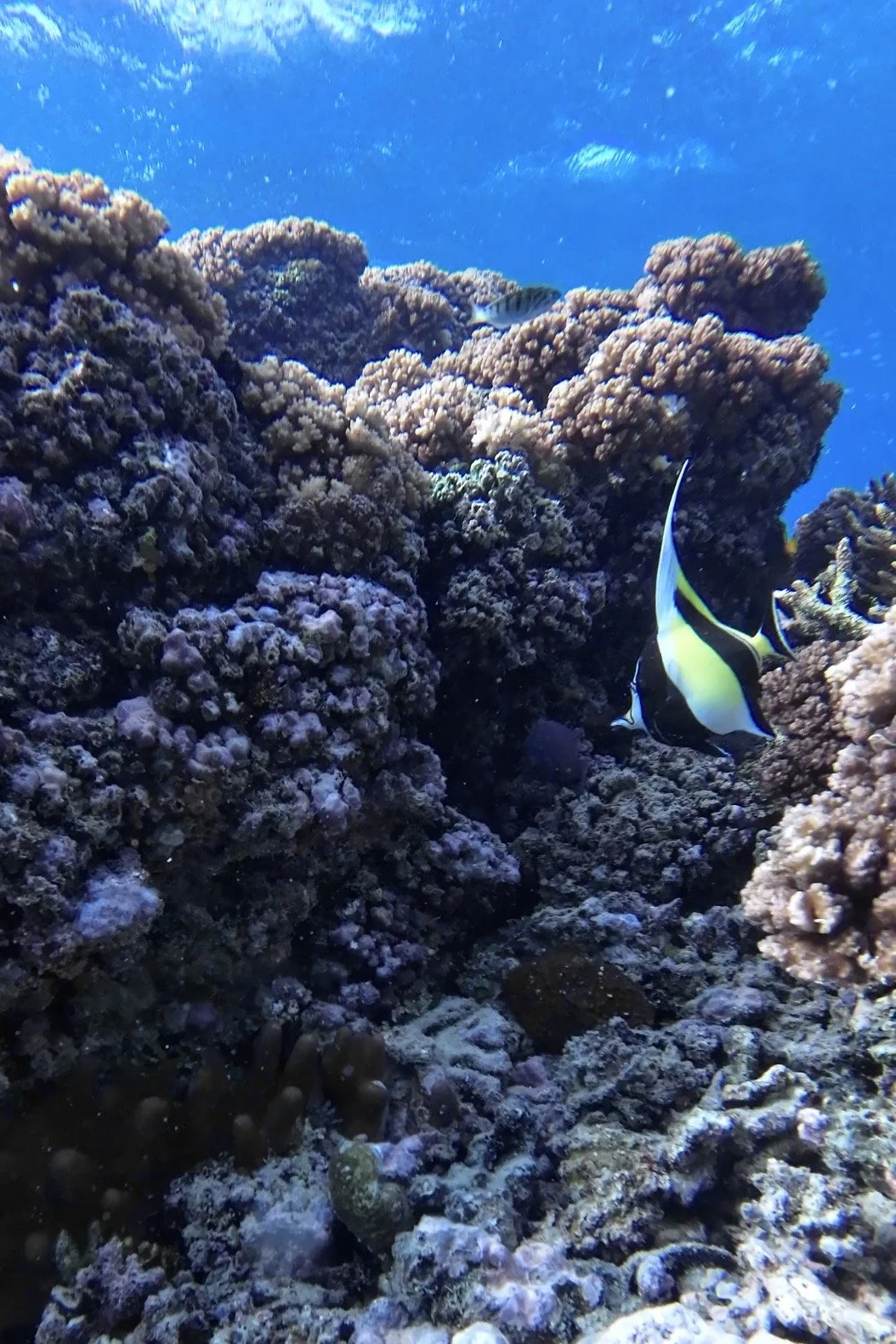
If I could repeat one snorkel over and over again, this would be a fun one.
Not because we saw Manta rays.
Sadly, we didn't.
And it was still fantastic.
The shallow channel nick-named ‘Manta Ray Passage’ between Drawaqa and Naviti Islands is part of a marine protected area famous for seasonal reef Manta rays feeding on plankton carried by the tides.
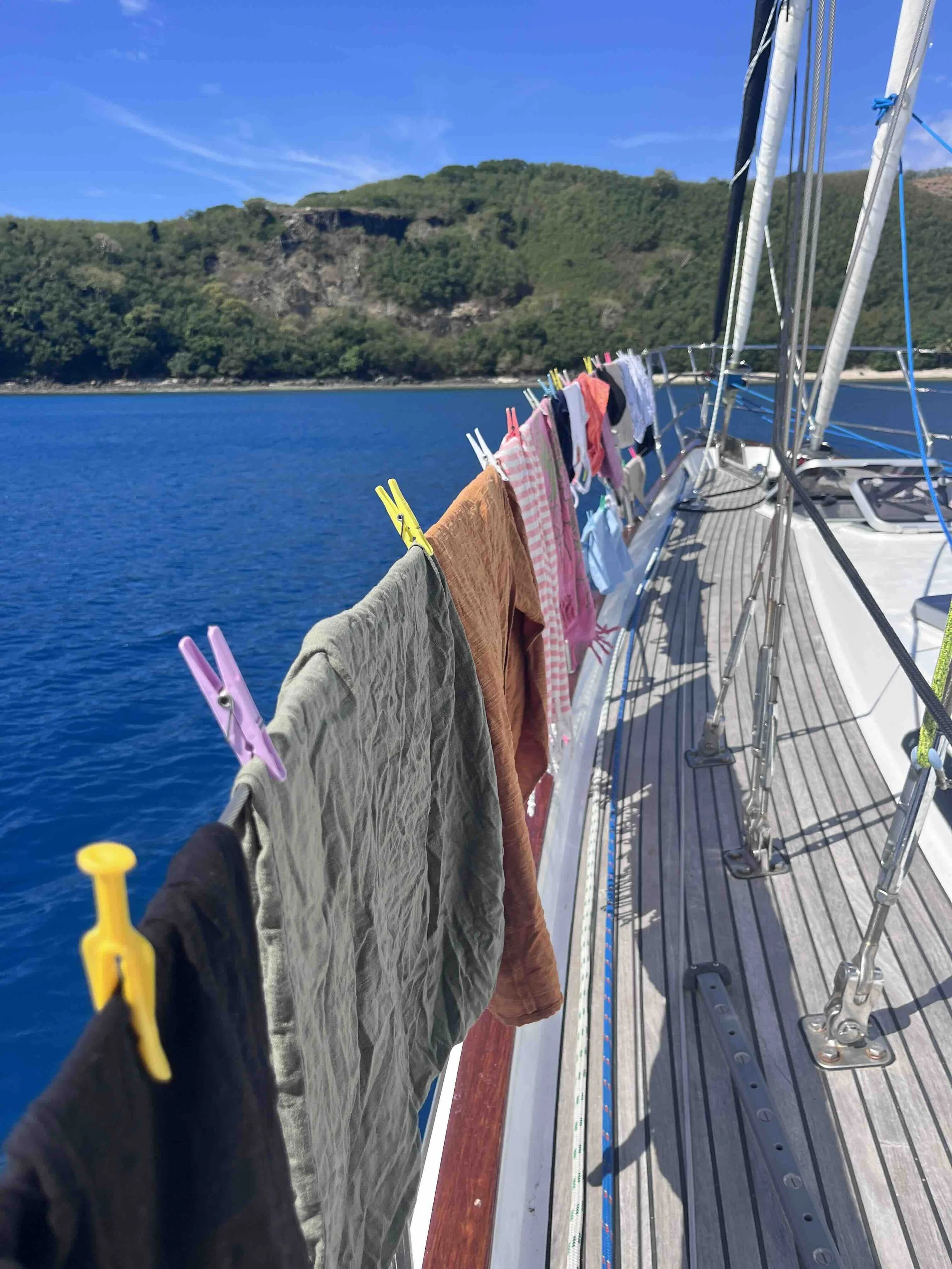
We had a very wet and bouncy dinghy ride against tide into wind and waves — heading to the far end of the passage. There we jumped in, timing our drift with the out-going current (just after high-tide).
Like all drift dives/snorkells — it was enjoyably effortless while schools of fish swam below and around us, and we checked out the reef lined passage, with a few other schools of floating human tourists!
Although the Mantas never appeared for us, the drift itself was worth doing.
I highly recommend having someone follow you in the dinghy. Resort boats also use the passage and, if there's any wind or wave chop (the wind does tend to funnel through the passage), a snorkeller can be surprisingly difficult to spot in the water. Having one of our crew shadow us in the dinghy meant we could relax and enjoy the ride knowing someone was looking out for us.
Maybe next time the Mantas will decide to join in!
Good to know
Best snorkelled just on or after high-tide after checking local conditions
Have someone accompany you in a dinghy for safety
Look out for large schools of fish even if the Mantas don't appear
Manta sightings are seasonal and never guaranteed. Local guides say they can be spotted any time of the year, but more often between May and October
Anchoring
017° 10.322’S | 177° 11.295’ E
15-17m depth | Sandy bottom (need to watch for bommies) | Fairly protected from N-S winds
Top Tips for the Best Snorkelling Experience in Fiji
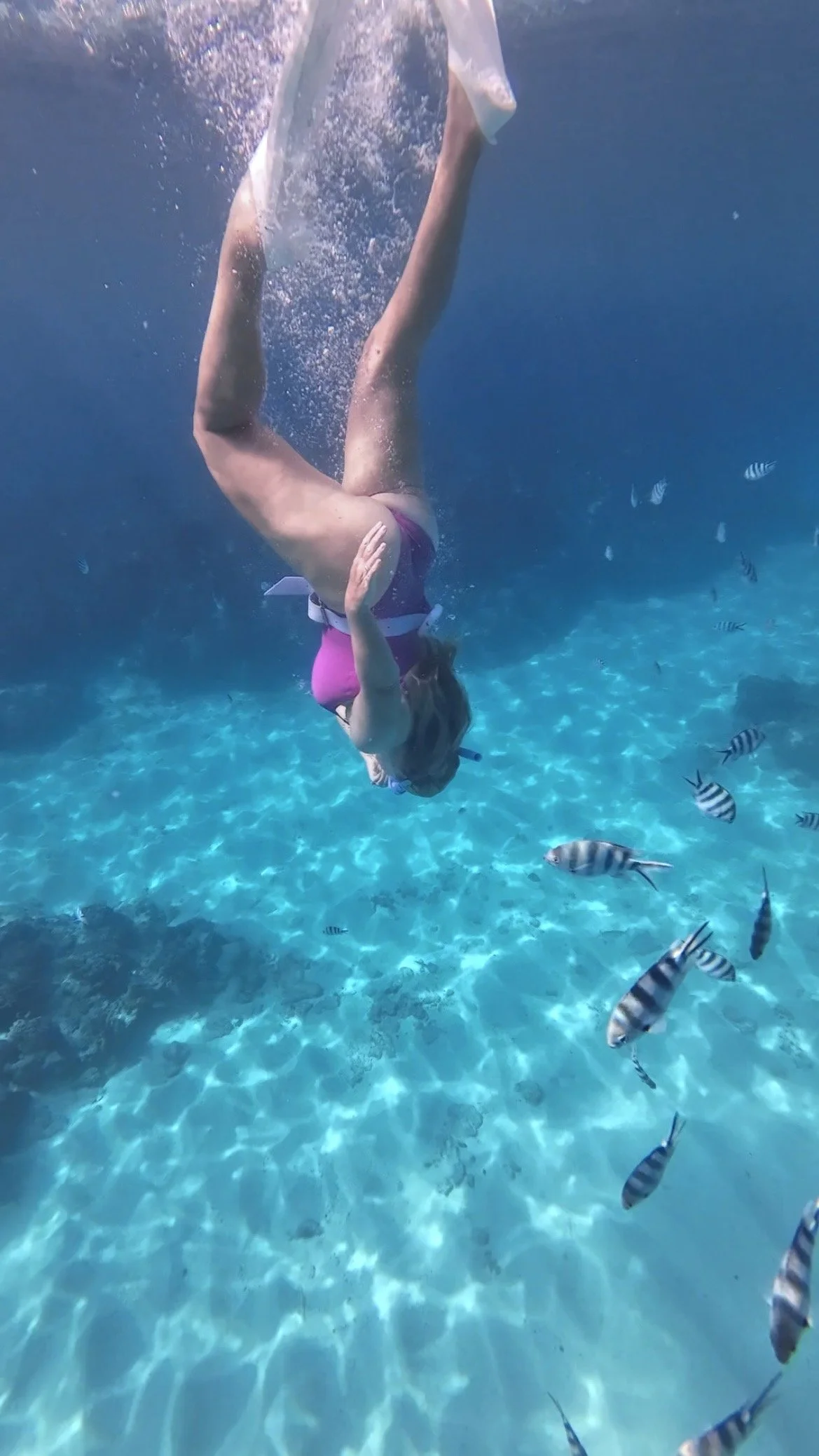
Diving into the blue at Monu Island
Fiji's dry season (May to October) generally offers the calmest seas and best visibility. Early mornings often bring lighter winds, calmer water and fewer people, making them my favourite time to snorkel.
We consistently found the best snorkelling on the incoming tide, particularly approaching high tide. There was less of a sandy haze over the reef, so the visibility was generally better. If you've got the flexibility, it's well worth timing your snorkels around it.
Fiji can surprisingly be quite cloudy. Watch for a break in the clouds and jump in while it’s sunny. That’ll give more light shining into the water and bring all the reef and fish colours alive.
In Summary
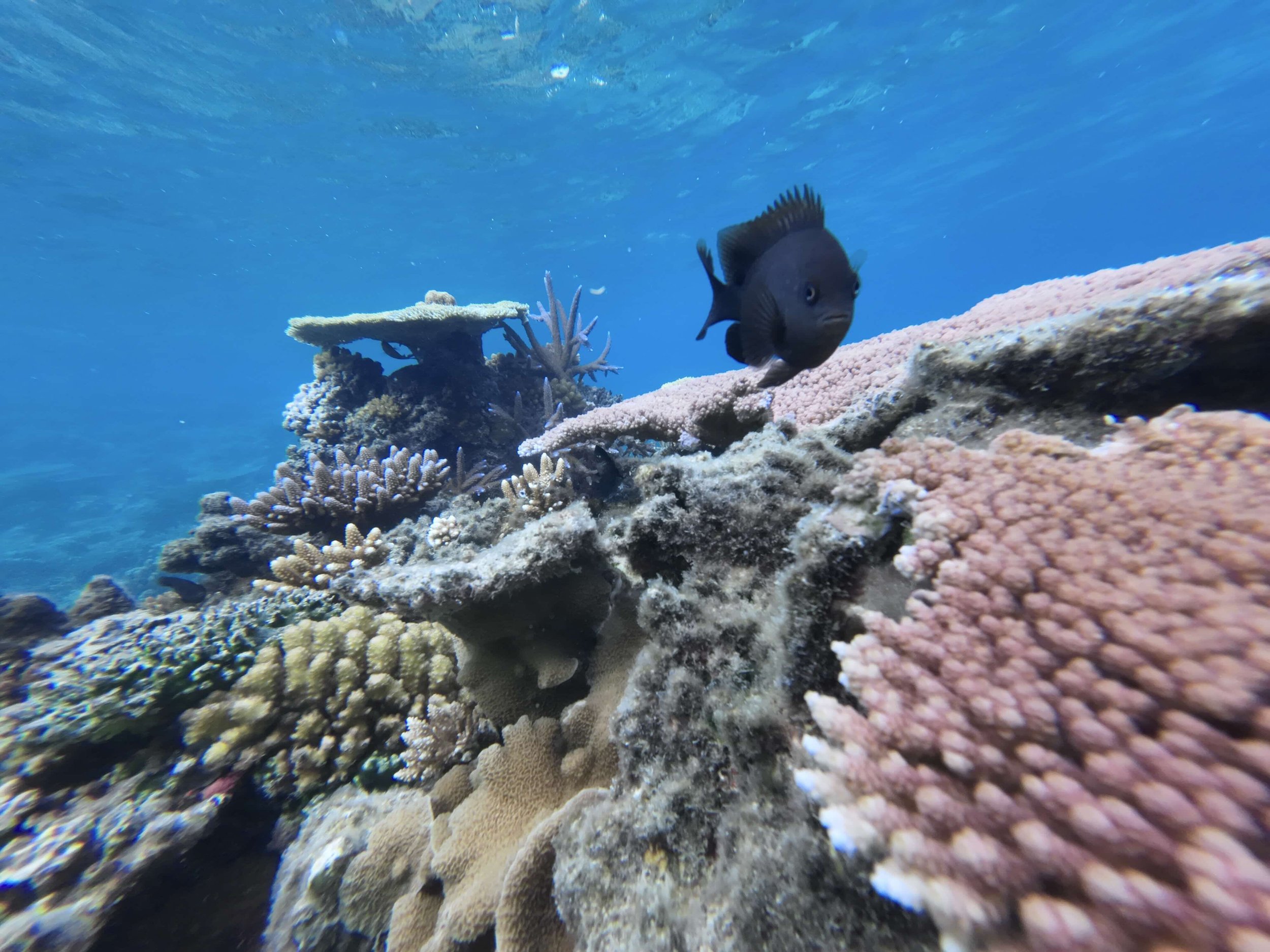
A Dusky Gregory eyes me up — probably thinks I’m a pretty weird looking fish
Why These Four Spots?
We snorkelled plenty of other reefs during our cruising season in Fiji, and most were excellent. But these four stayed with me long after we'd sailed away. They're the ones I'd send friends to first. So I think you’ll enjoy these.
That's what I love most about snorkelling in Fiji. You never quite know what's waiting below the surface—and that sense of discovery never gets old!
Did you enjoy this article? Share it online and read more on the Journal…