These Retro Glacier Sunglasses Make So Much Sense for Sailing
Saltwater Journal is reader supported.
When you buy through our links we may earn an affiliate commission (at no extra cost to you)
I grew up with adventure stories about Shackleton and the Endurance. My dad had bookshelves lined with tales of old explorers. They sat next to the series of Encyclopedia Britannica aka “You wanna know something? Go look it up in those kid”. As a 10 year old, flicking through grainy black-and-white expedition photos of polar explorers in heavy wool jerseys, hoods and snow goggles, I though they always looked like weird old dudes lost in wild corners of the earth. But they must have made an impression on me — as I get older, I’m starting to appreciate just how ahead of the game they were in terms of their gear, and staying protected in the elements.

Before Henry Worsley set off alone on a journey across Antarctica. Photograph by Sebastian Copeland
I’ve seen Vallon’s glasses popping up on my Instagram feed (again mostly worn by bearded young adventurers on snow crusted mountains) but I knew Vallon had a sailing range too. I was keen to give them a go.
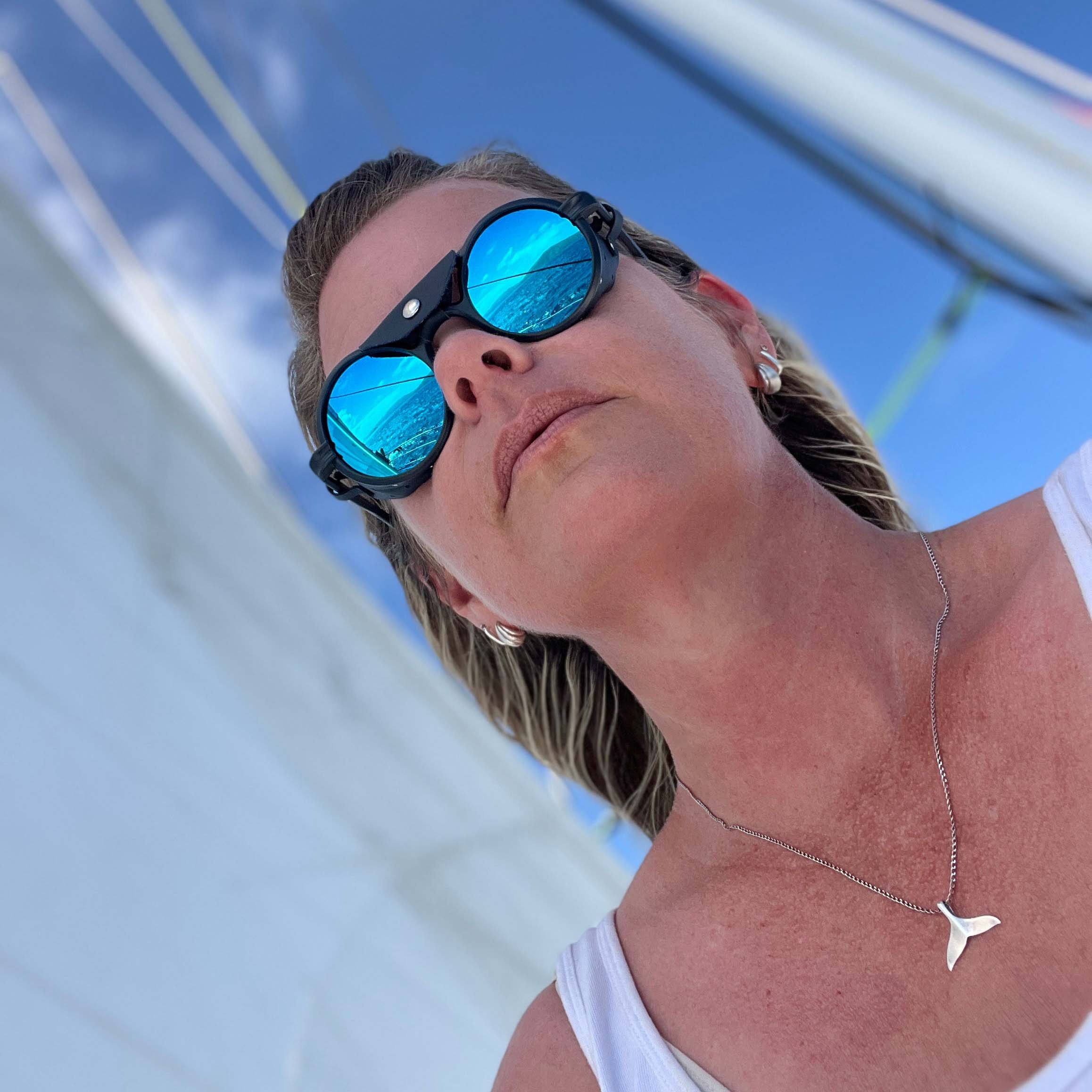
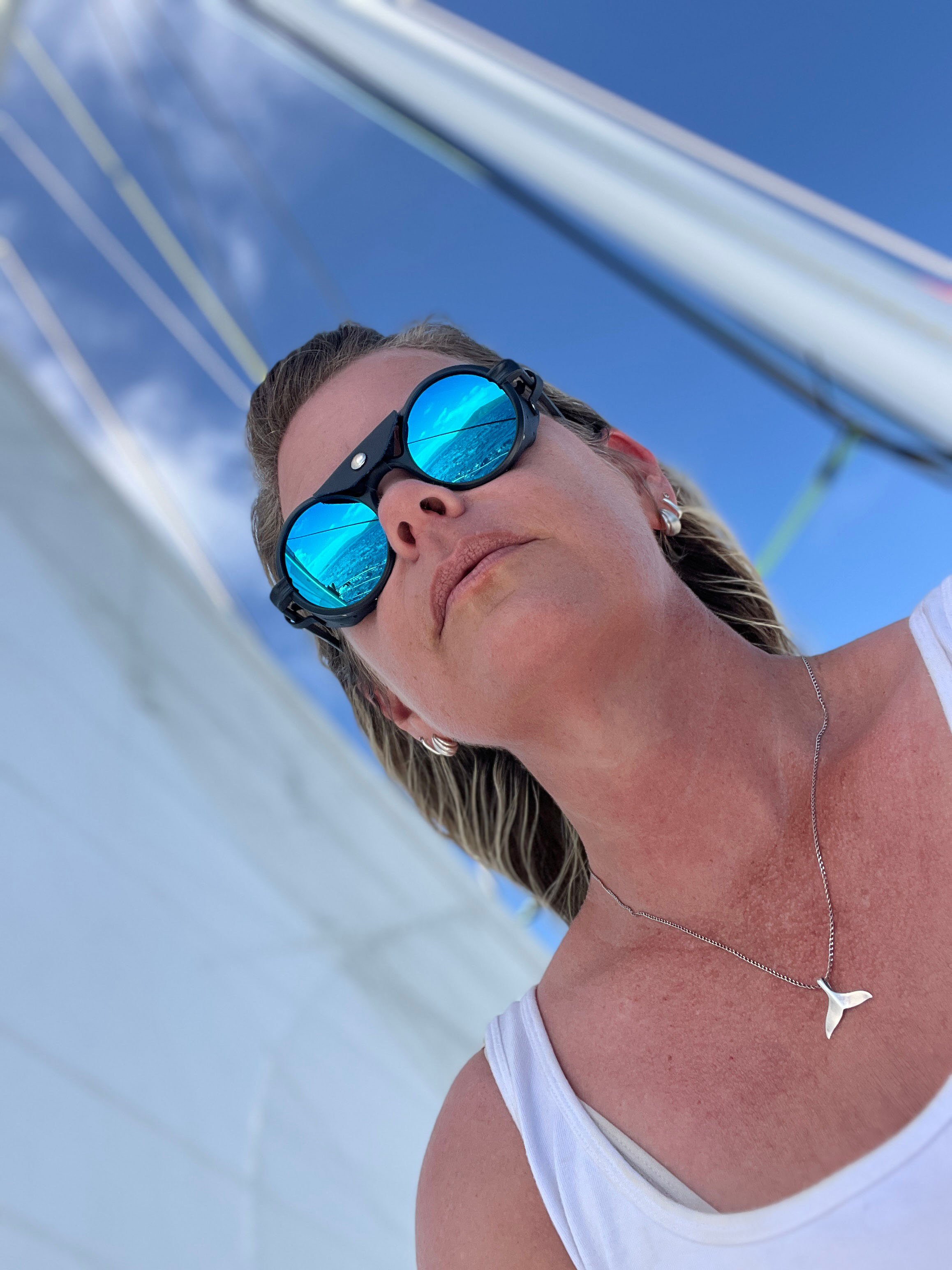
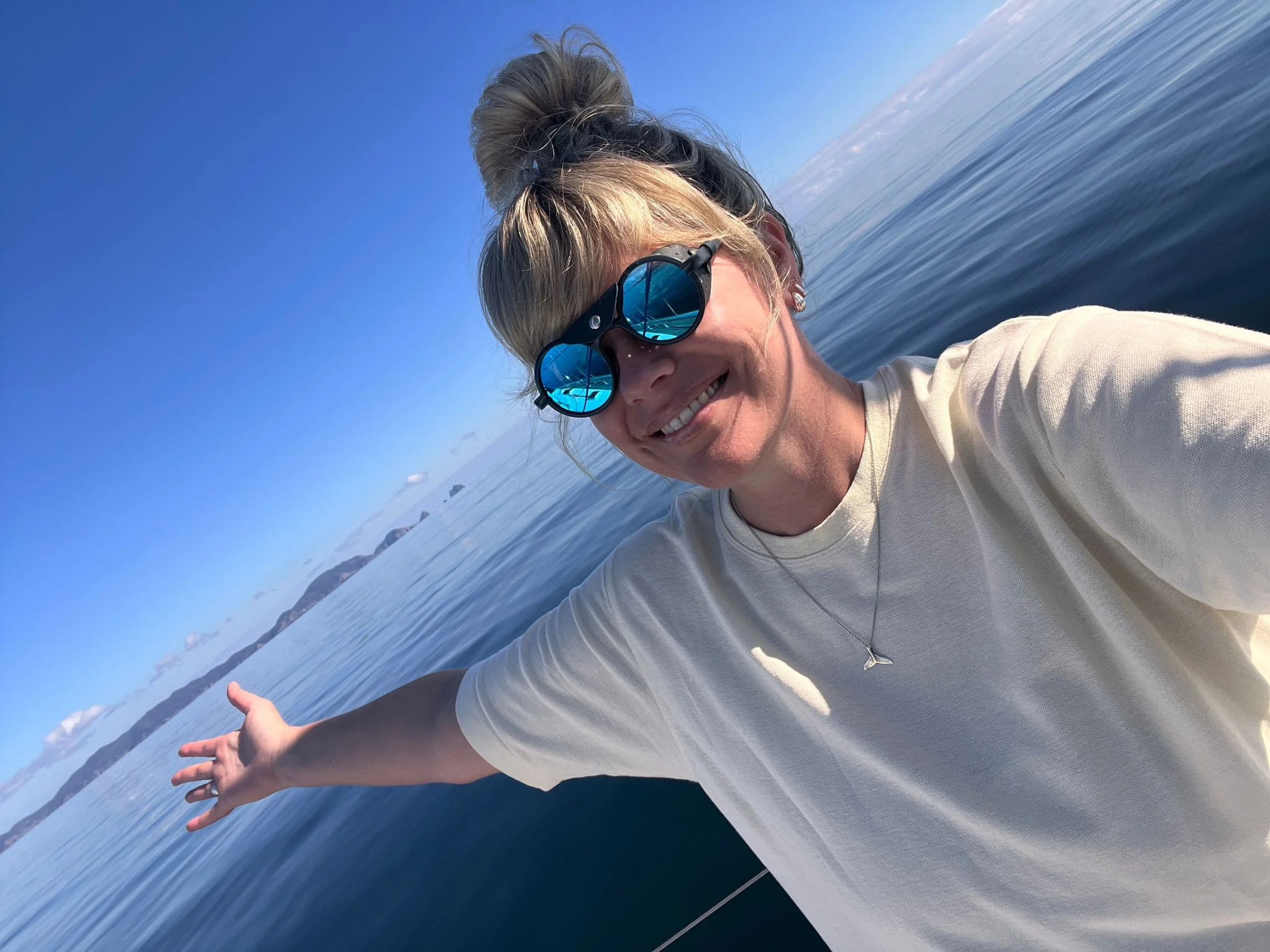
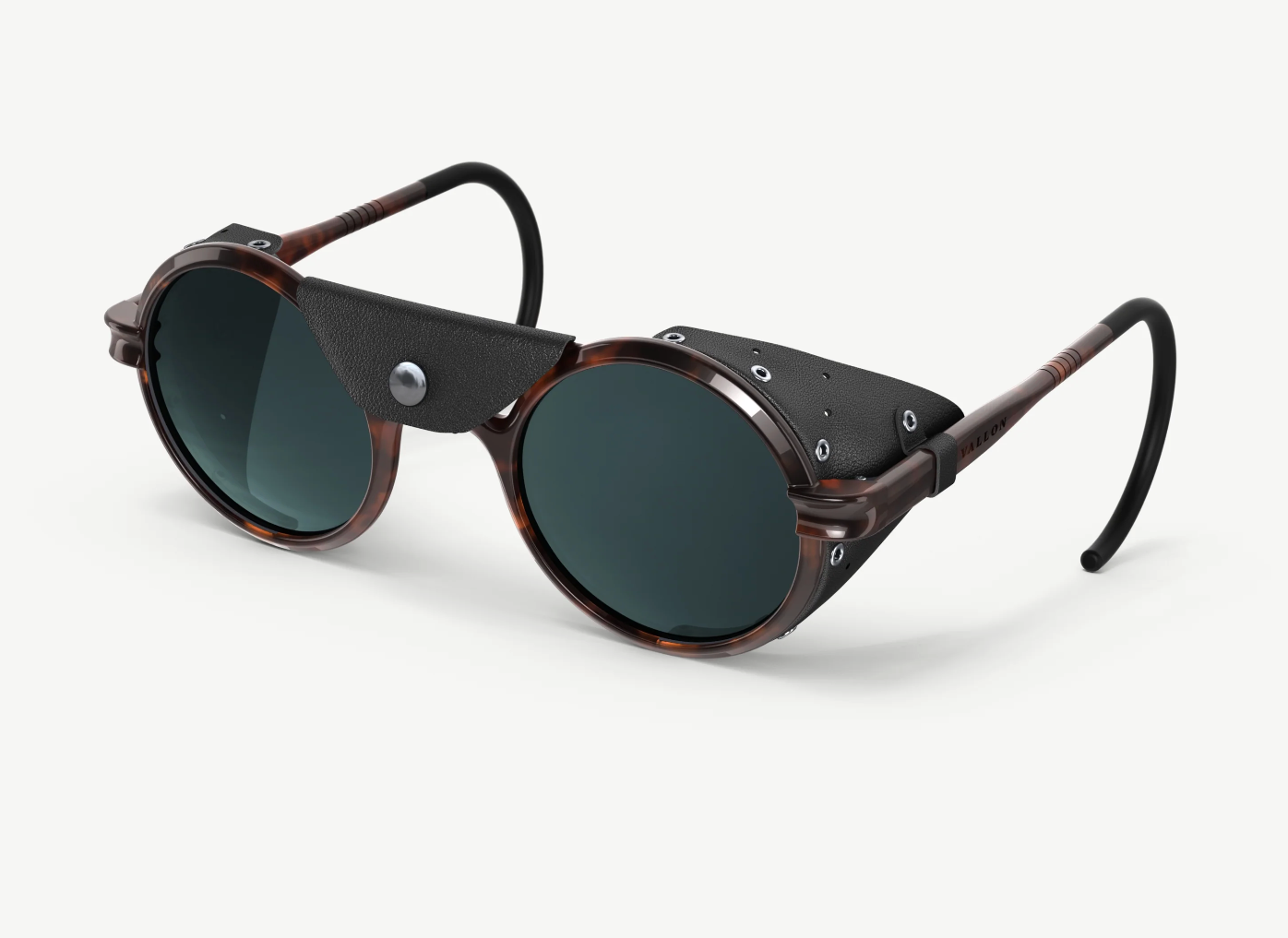
So when Vallon sent me their Heron Ocean sunglasses to test out, I’ll admit my first thought was I’m giving total steampunk vibes but quickly changed that to ‘Let’s go full Shackleton era and embrace the retro look’. Sure I might not be on a polar expedition, but sailing in the Pacific Ocean sunshine under high UV levels near New Zealand sure packs a punch.
Turns out: Heron Ocean sunnies make an enormous difference on the water.
First Impressions
The side shields block peripheral glare properly, which makes them feel noticeably restful to wear in bright conditions. It’s one of those things you stop noticing until you swap back to regular sunglasses and suddenly realise how much light has been leaking in all day.
Usually after long days sailing in full glare, my eyes are tired and I hit the hay feeling glad to finally close them.
The Vallon Heron Oceans gives that relief immediately.
For sailing and long days on the water, they honestly make far more sense than standard sunnies.
In the opening lines of Shackleton’s book ‘The Heart of the Antarctic’ (available here) — a reflection on his 1909 failed attempt to reach the South Pole, he wrote:
“Men* go out into the void spaces of the world for various reasons. Some are actuated simply by a love of adventure, some have the keen thirst for scientific knowledge, and others again are drawn away from the trodden paths by the ‘lure of little voices,’ the mysterious fascination of the unknown.”
*And women
The call to adventure, and importantly — surviving, is made all the more possible by having the right gear to do so.
Why Glacier Glasses Actually Work on the Water
There’s a reason expedition-style glacier sunglasses have existed for so long.
On the water, sunlight doesn’t just come directly from above — it bounces off every surface around you. Saltwater glare is relentless, especially during long passages or bright midday sailing when there’s nowhere for your eyes to really rest. Even on deck under a patch of shade from the sail, the water is bright.
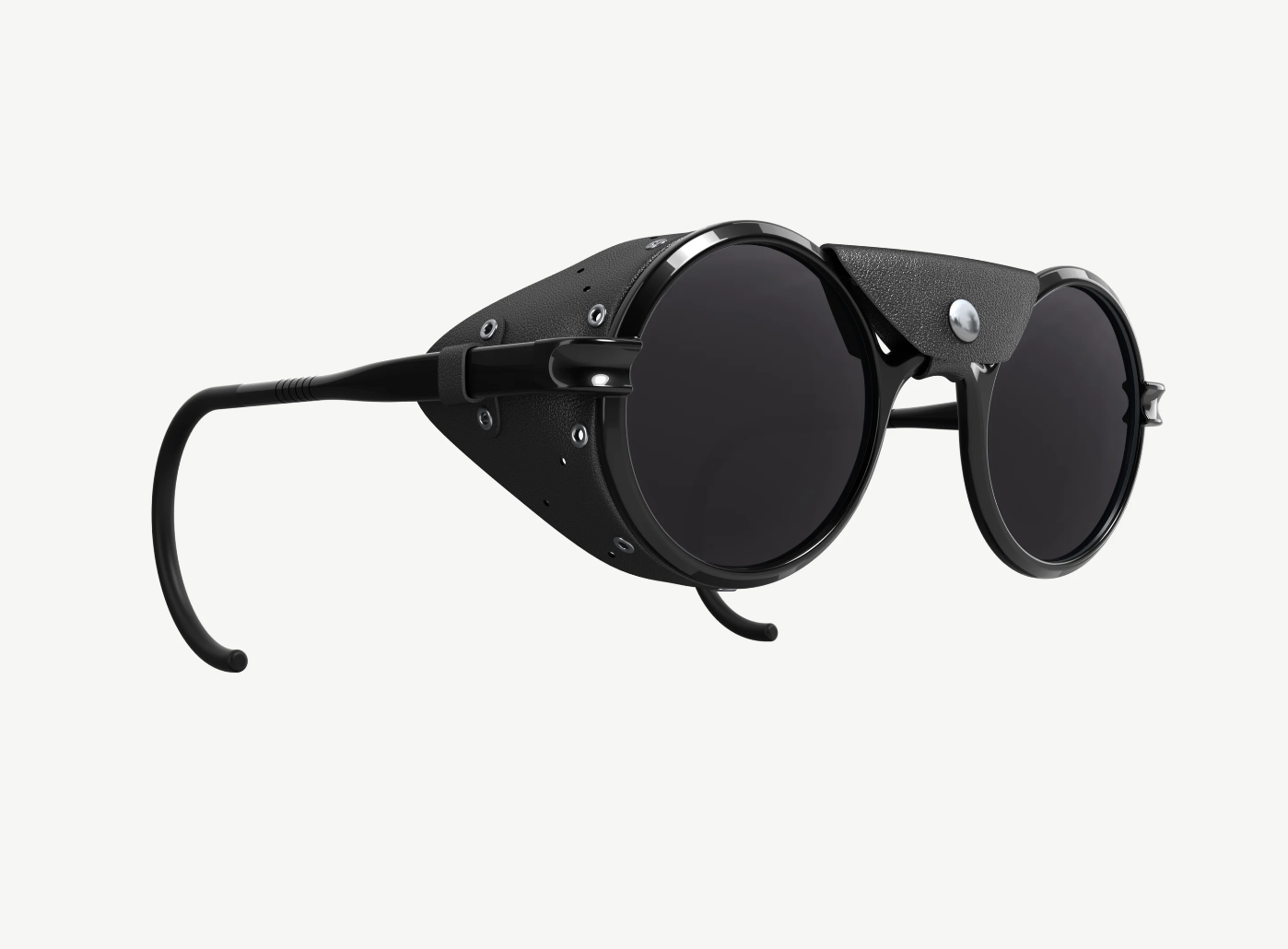
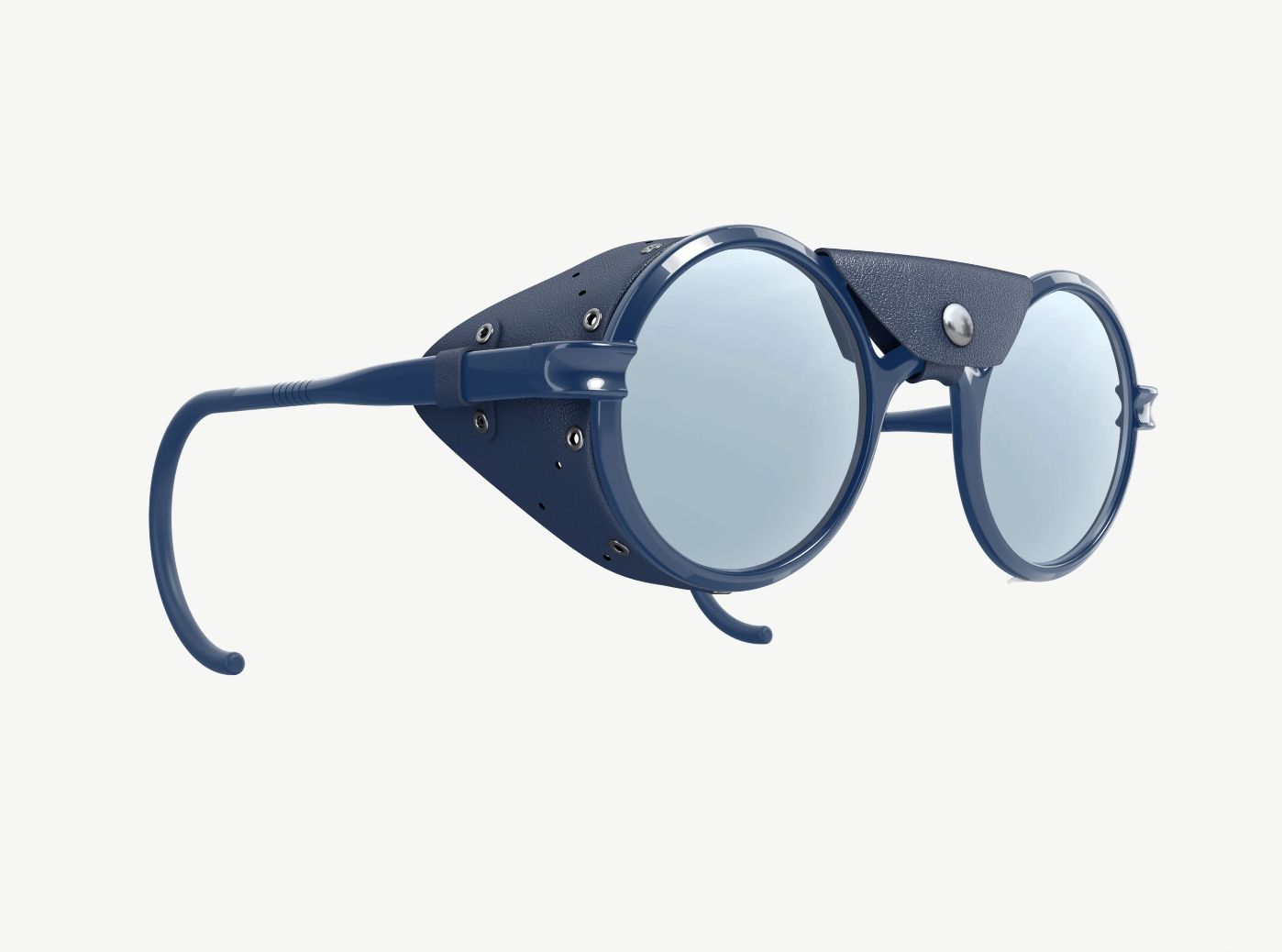
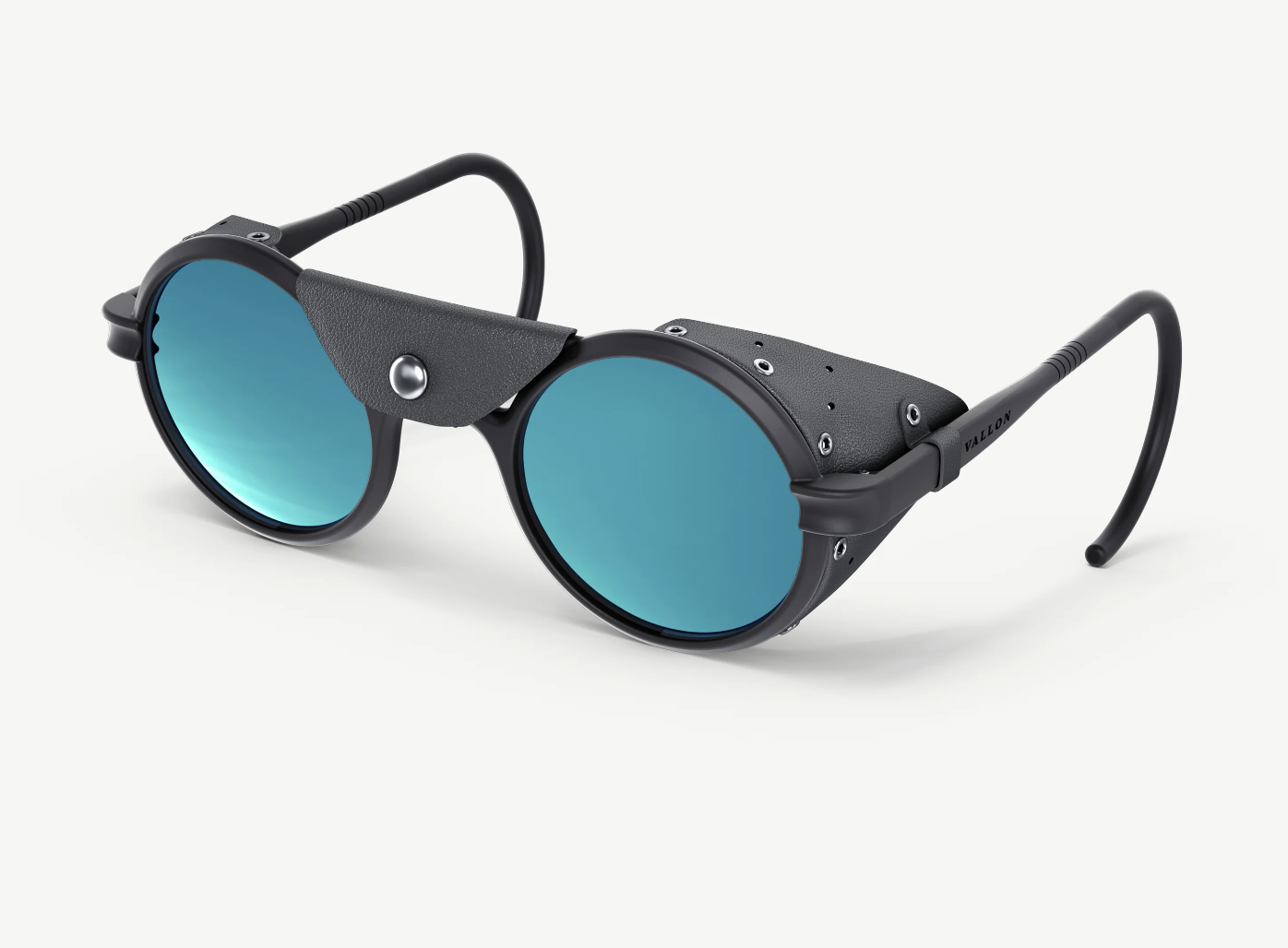
The leather side pieces on the Vallons help shield your eyes from that side glare and wind exposure without making the sunglasses feel bulky or overly technical.
They’re genuinely functional offshore, and one of my key pieces of offshore kit.
The Vibe
A lot of high-performance sailing sunglasses lean heavily into the sporty wraparound look, which personally has never really felt like me as it quickly heads towards the MAMIL crowd (Middle Age Male In Lycra) — bless their little cotton cycling socks.
In comparison, the Vallon’s vintage vibe sit decisively on the edge of love or hate — you’re gonna straight up know. But I’m absolutely into the adventure-core look. And these seem to suit most face shapes.
Surprisingly Secure for Sailing
After pulling them from the box, I adjusted the arms to fit my ears, and I immediately noticed how secure they feel. I can shake my head around like I’ve just discovered a creepy crawlie in my hair — and they stay on my face.
The curled temple arms wrap gently behind your ears, which means you don’t need to worry about extra hat clips to keep them on. I haven’t worried when it’s windy, or moving around on deck or leaning over the side to capture sick shots.
My husband dropped a nearly-new pair of Ray-Bans over the side of our boat a few years ago, so I’m unusually aware of how quickly sunglasses can disappear around water (by the look on his face when he came downstairs to tell me I thought someone had died).
I’d be genuinely surprised if the Heron glasses came off accidentally.
They’re Light to Wear
Despite the extra coverage and side shields, the TR90 frame weighs only 25 grams and is incredibly light on the face. Surprisingly so. At first I thought they might be a bit spindly — as the arms aren’t thick at all, but on the face I really appreciate this feature.
I don’t have a huge bridge on my nose so I did get a slight pressure-point on my cheeks after wearing them each day, but if you have more nose bridge — they’ll sit higher on you.
It wasn’t enough to stop me wearing them.
The Details That Will Get Better With Time
The leather nose bridge and side shields will age well rather than wear out.
Straight out of the box they look a little plasticy, but I’m already noticing they’re getting even more comfortable over time as the leather softens with use and shapes slightly to my face.
That combination of technical function and natural materials is part of what makes them feel like gear I want to wear. These sailing sunglasses feel more like a piece you break in over years of use — and you’d be lost without them.
Are They Worth It for Sailing?
If you spend long days on the water, I honestly think the side protection alone makes a compelling argument for them.
Especially for:
offshore sailing
coastal cruising
dinghy sailing
paddleboarding
anyone sensitive to glare or tired eyes
What makes the Vallons work so well for people on the water is really the combination of three separate features all working together.
the polarization is handling reflected water glare
the mirror coating is helping soften overall harsh brightness and eye fatigue
the side shields are stopping peripheral light leakage
This combination is actually why my eyes now feel noticeably more rested on the water than with my normal sunglasses.
They’re probably not for someone wanting ultra-minimal sunglasses or a purely street or racy look. The side shields are a statement, and glacier-style glasses definitely have a distinct aesthetic. But that’s also part of why I like them.
In Summary
The Vallon Heron Oceans are a modern version of something that was designed properly in the first place — not just a pair of dark sunglasses trying to market themselves as marine. Vintage sunglasses have proven their staying power over decades, and given the investment, you want to buy a pair that’s going to last you.
And after wearing them sailing, I finally understand why glacier glasses have stuck around for this long.
Did you enjoy this article? Share it online and read more on the Journal…