
How Ready Are You Really for Offshore?
(What Every Crew Member Should Know Before Their First Passage)
Saltwater Journal is reader supported.
When you buy through our links we may earn an affiliate commission (at no extra cost to you)
Thinking about crewing offshore? I see plenty of hopeful travellers advertising their availability as crew in sailing Facebook groups. The problem? Many of them have never been on a boat before. Most have zero preparation for actually sailing offshore.
Before the sailing hundreds of nautical miles, before the confident offer that ‘I can crew and do watch-keeping for you’ — there’s a question that matters more than anything else: How ready are you when things go wrong?
As part of my own preparation for an offshore passage from New Zealand to Fiji, I undertook Skipper Training's Offshore Personal Safety Course. And it brought home just how serious it is, sailing thousands of miles away from land, and how quickly things can go wrong at sea.
When Disaster Strikes
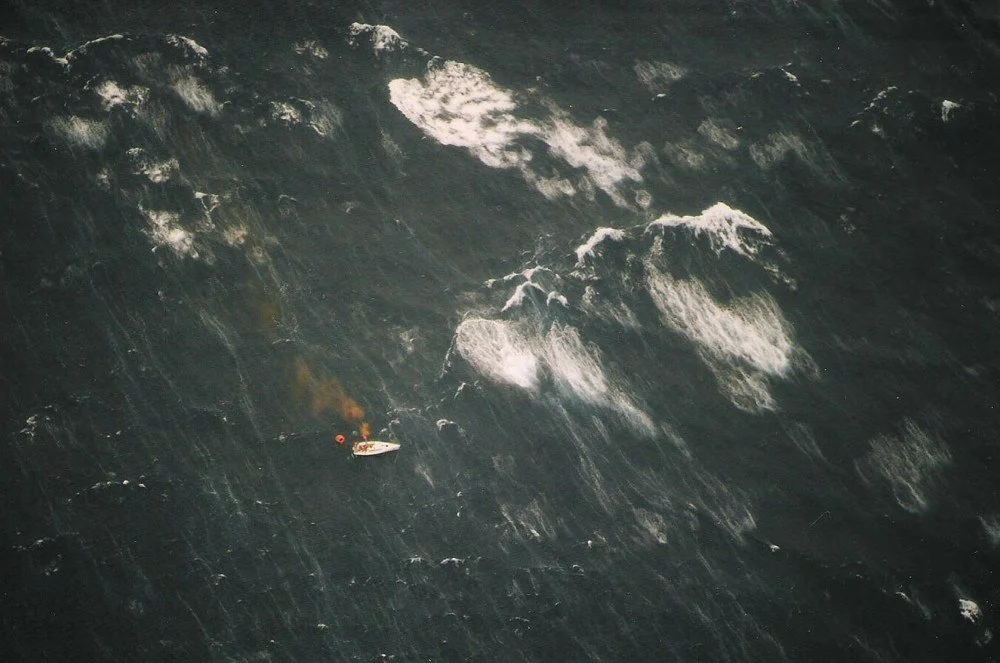
VC Offshore Stand Aside (YC4882) - 1998 SHYR, 1st Mayday. Photo Richard Bennett
You only need to watch a short clip of the 1998 Sydney to Hobart Yacht Race to remind yourself how quickly things can unravel at sea.
What started as one of the most iconic offshore races in the world turned into a full-scale disaster. A brutal storm hit the fleet, winds exceeded 60 knots, and waves built to 10–15+ metres. Seven boats were abandoned. Six sailors lost their lives. It became one of the largest maritime search and rescue operations in Australian history.
It’s a sobering watch.
Subsequent reviews identified broad improvements across offshore racing, including advances in personal safety equipment such as lifejackets, harness systems and personal EPIRBs, alongside enhanced training and safety education. Improvements in weather forecasting and access to more reliable data have also played a role. However, findings emphasised that the most significant change has been a shift in mindset among both race organisers and participants, contributing to safer decision-making overall.
That’s the uncomfortable question sitting at the centre of Skipper Training's Offshore Personal Safety Course:
How ready are you, really?
Why Offshore Safety Training Matters (Even for Crew)
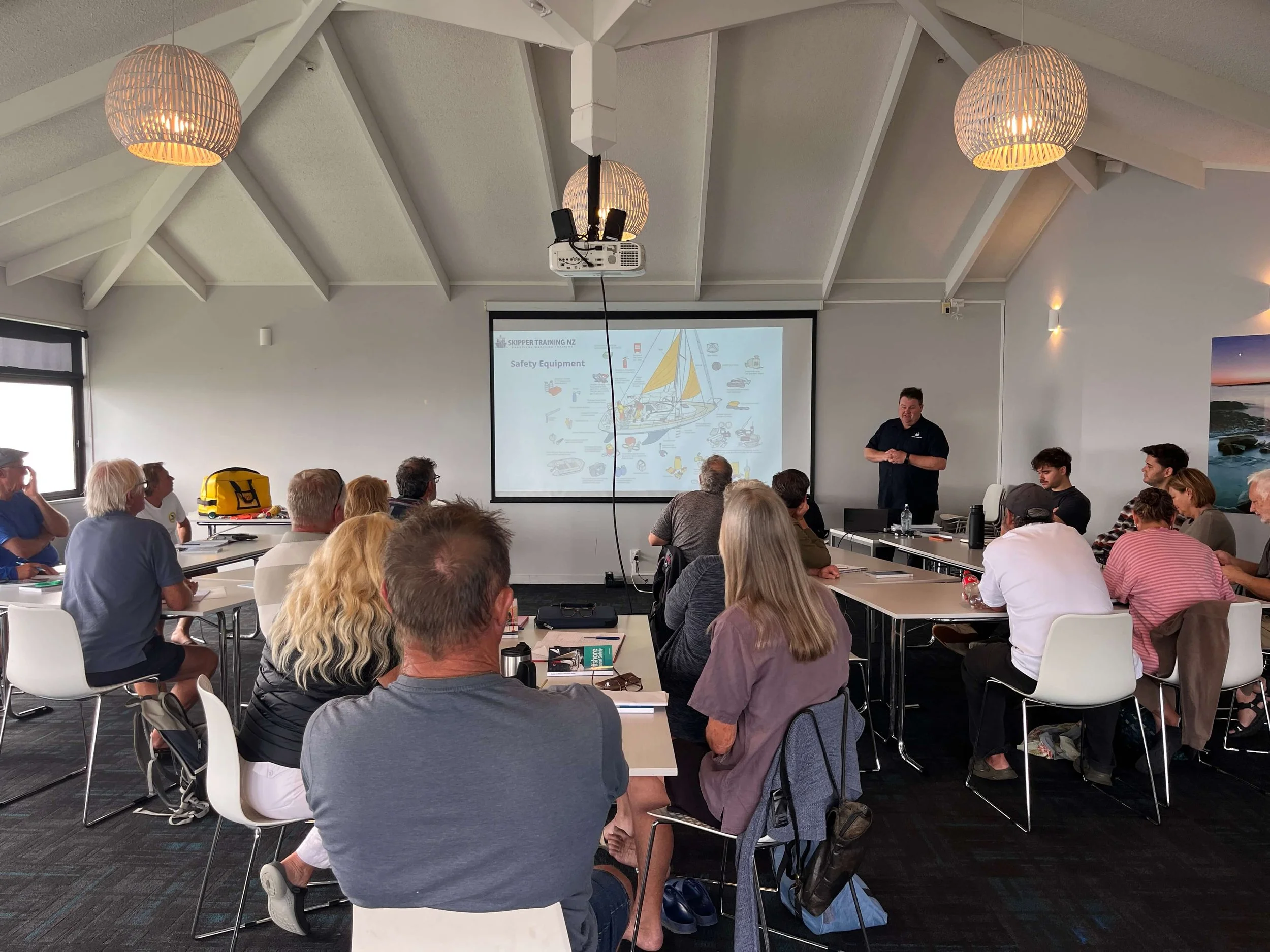
Day 1 in the Classroom of Skipper Training’s Offshore Personal Safety Course
Formerly named Advanced Sea Survival, the two-day course combines classroom sessions with practical wet drills, covering everything from life rafts and distress signals to fire, safety gear, emergency planning, and heavy weather techniques. It's accredited by Yachting New Zealand and recognised by World Sailing and Maritime NZ and is a mandatory requirement for skippers and crew heading offshore under the International Voyaging Certificate (IVC), or competing in Category 1 races.
But now having completed the course over the weekend, I would absolutely recommend it for everyone onboard for an offshore cruising passage — not just those who need it for IVC requirements. World Sailing has a global list of accredited providers running Offshore Sea Survival courses here.
Real Life Survival
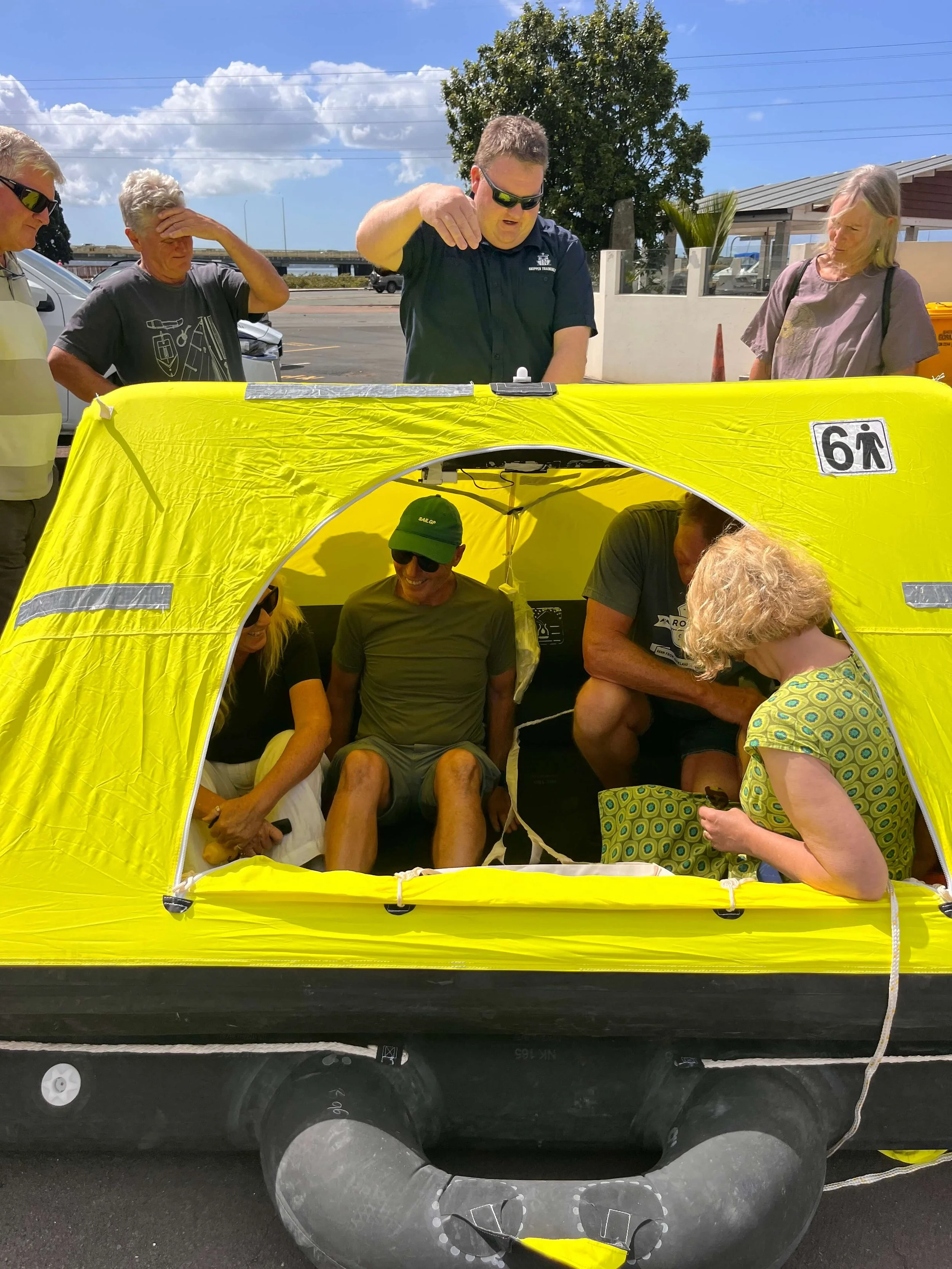
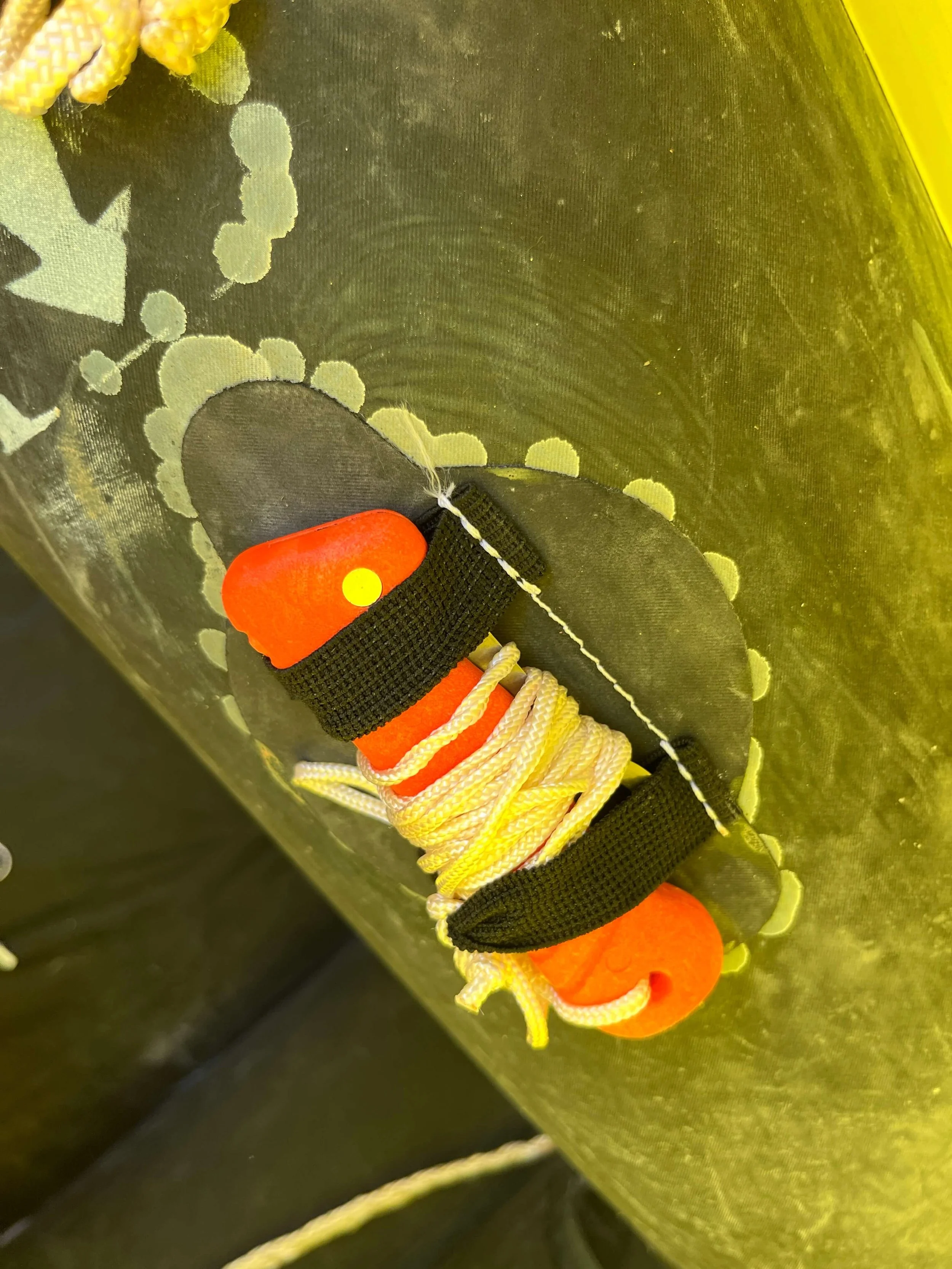
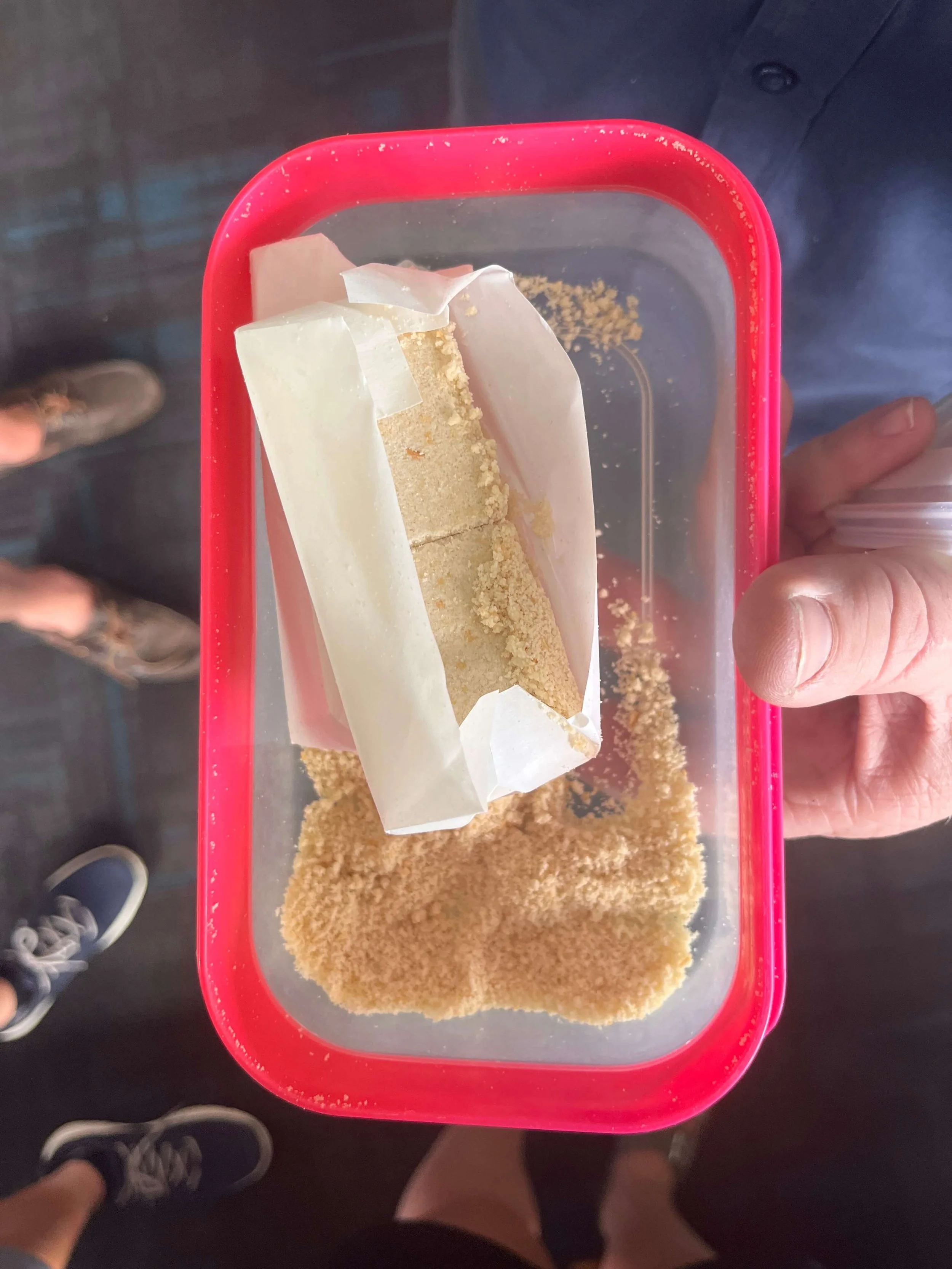
Left: Phil (middle) talking us through the liferaft, while some size it up inside and we learn what equipment is onboard. Middle: Raft knife located for cutting the painter. Right: We sampled the liferaft rations which taste as depressing as you’d imagine
What becomes clear over the weekend is that survival isn’t about one big decision. In one of my favourite books, Adrift: Seventy-six Days Lost at Sea, Steven Callahan makes that point convincingly. In 1982, his sloop sank mid-Atlantic during a solo crossing. He spent 76 days adrift in a five-and-a-half-foot inflatable raft, battling dehydration, starvation, and equipment failure before being rescued near the Caribbean. What kept him alive was relentless problem-solving, rationing, and an almost obsessive attention to the small details that added up to survival. It’s not a dramatic turning point that keeps him alive. It’s hundreds of small, well-made decisions.
It’s the many well-made decisions, planned ahead of time, that this training reinforces and emphasises.
And the importance of packing a grab bag (ditch bag) like this one, is made ever so clear.
Understanding Weather = Better Offshore Decisions
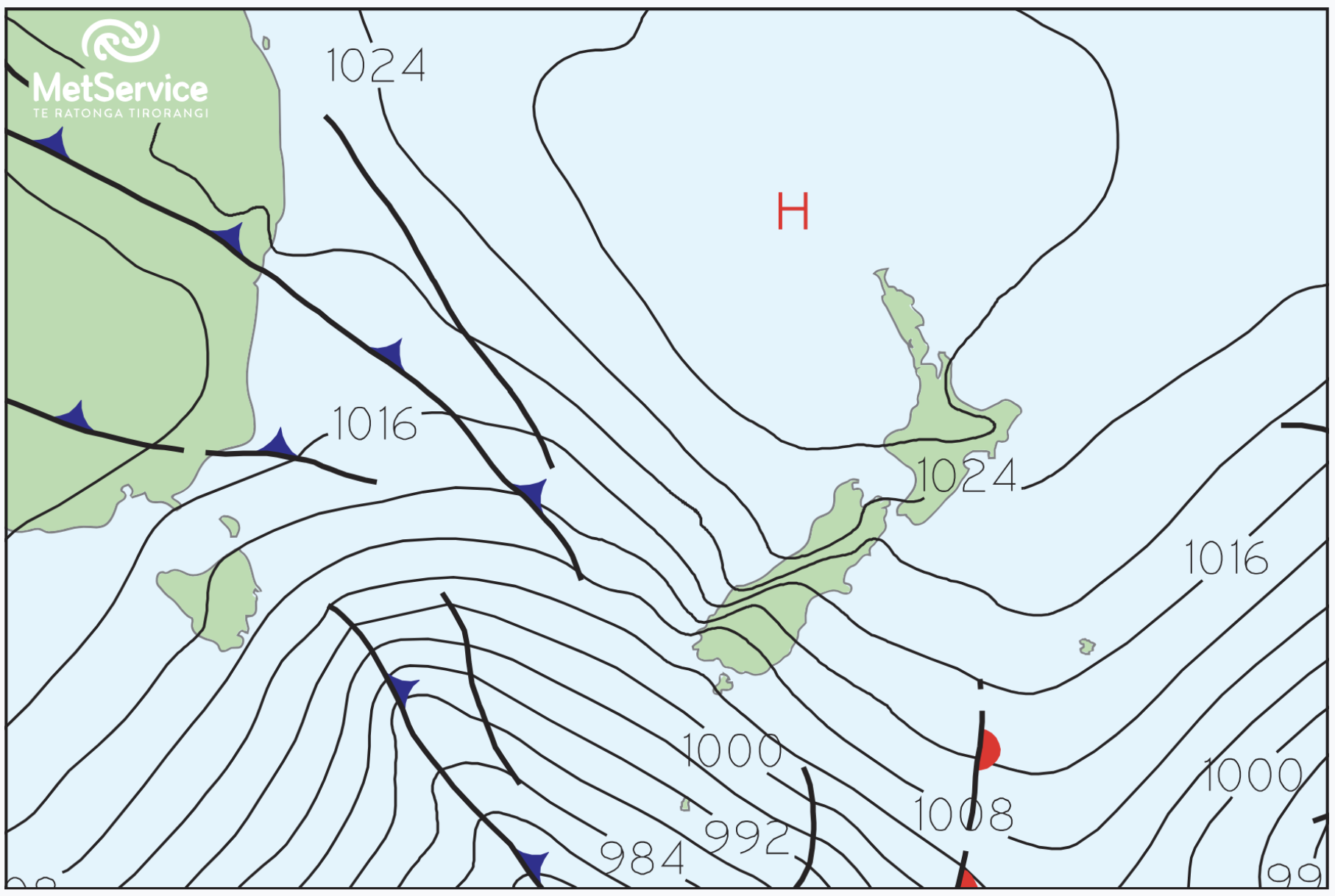
The black lines which curve across this map are called isobars (iso = equal, bar = pressure). They join together places with the same mean sea level air pressure (weight per square area of air above). Some have numbers on them showing this value in hectoPascals.
One of the standout sessions for me was meteorology — working through isobar maps and getting a clearer understanding of how weather systems actually move across the Pacific and down to New Zealand, and what that means for upcoming departure decisions. Sitting around our tables were some crew new to boating, others with solid coastal experience, and still others who had already logged thousands of offshore miles.
Everyone took something away from it. We also heard personal stories — a meaningful part of learning together. One skipper talked through what he learned rescuing his own son. Others knew people or vessels involved in maritime fatalities. Feeling their emotion, and knowing real lives have been affected makes you take safety pretty seriously.
Things go wrong offshore. Whether it’s human error, weather, equipment failure or sheer bad luck, survival very often comes down to preparation.
The Gear Decisions That Matter
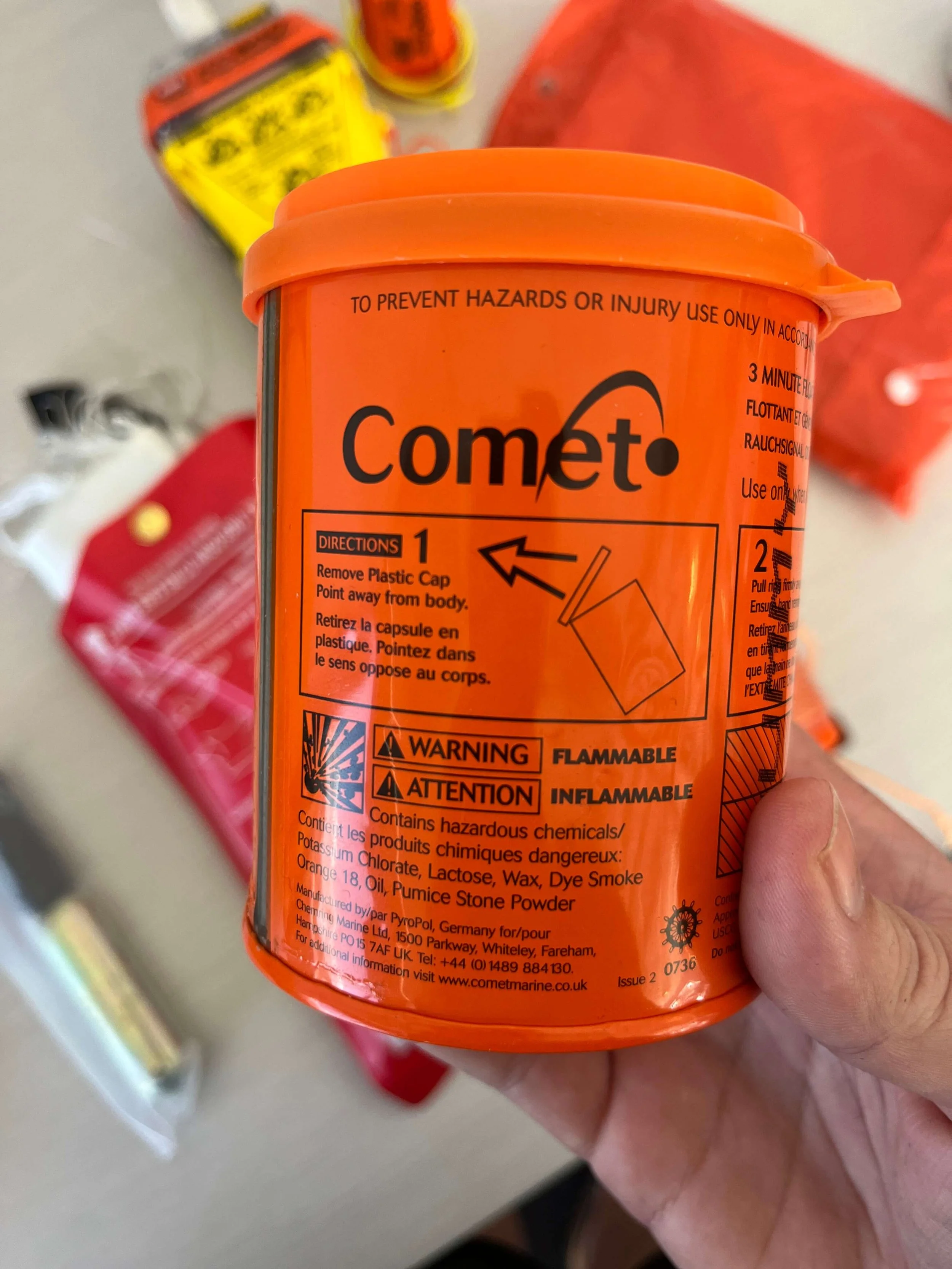
Comet 3 Minute Smoke Signal – a daytime distress signal with orange smoke
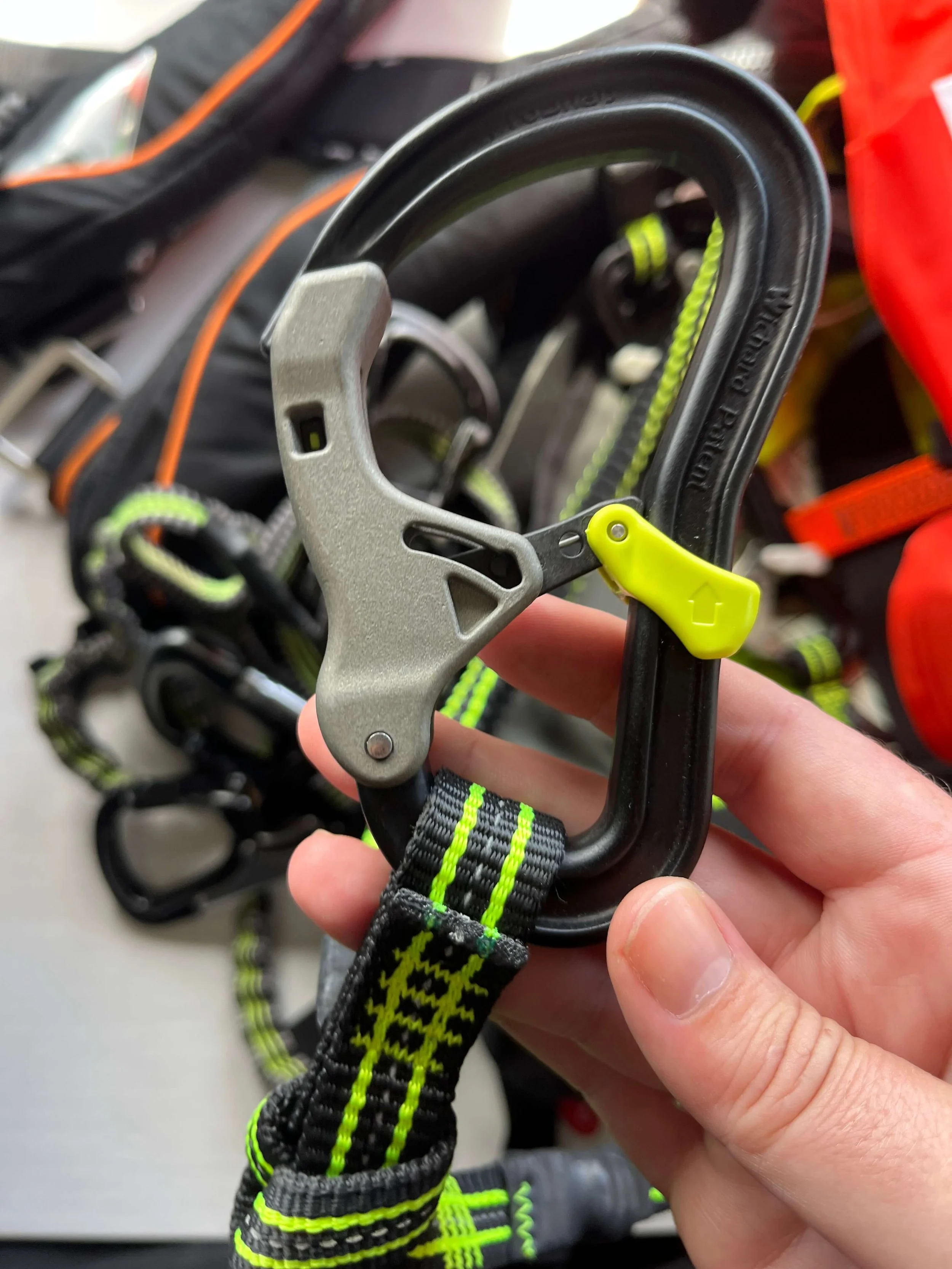
Choosing the right tether clip could save your life. This one is from Spinlock.
Cruisers tend to be practical. Resourceful. Careful with money — some might say… cheap. But getting serious about sea survival has a way of reallocating the budget. When I’m standing in Burnsco deciding between safety gear, it’s tempting to weigh the cost and go for the “very good but not the best of the best” option. But if I’m freezing in a life raft, drifting, and a vessel appears on the horizon, that extra $30 I didn't spend for a couple of longer-lasting three-minute smoke flares will feel like the worst decision I’ve ever made. There’ll be fewer bottles of gin travelling to the Pacific this year, in lieu of a few upgrades.
Do you know how to choose the right lifejacket or PFD for you?
Taking the course improves your odds — both of avoiding an emergency, and dealing with one if it happens — provided we follow it up with testing our own gear and running real scenarios on our own boats, with our own crew.
I’ll be adding a sprayhood to my PFD (Our trainer did his best with the fire hose to prove a good point), and someone else who just bought the least safe tether clips could well be making a harness exchange. Both could be lifesaving decisions. On this course, you’ll get the best info on current technology, regulations and safety standards.
Hindsight is a dangerous game in survival.
Taking the course improves your odds — both of avoiding an emergency, and dealing with one if it happens — provided we follow it up with testing our own gear and running real scenarios on our own boats, with our own crew.
Now you start asking better questions:
Can our crew confidently make a Mayday call under pressure?
Have we practiced our crew overboard (COB) procedure?
Where is the emergency bilge pump handle stowed?
How often are we checking the rigging underway?
In-Water Survival: Liferaft Training
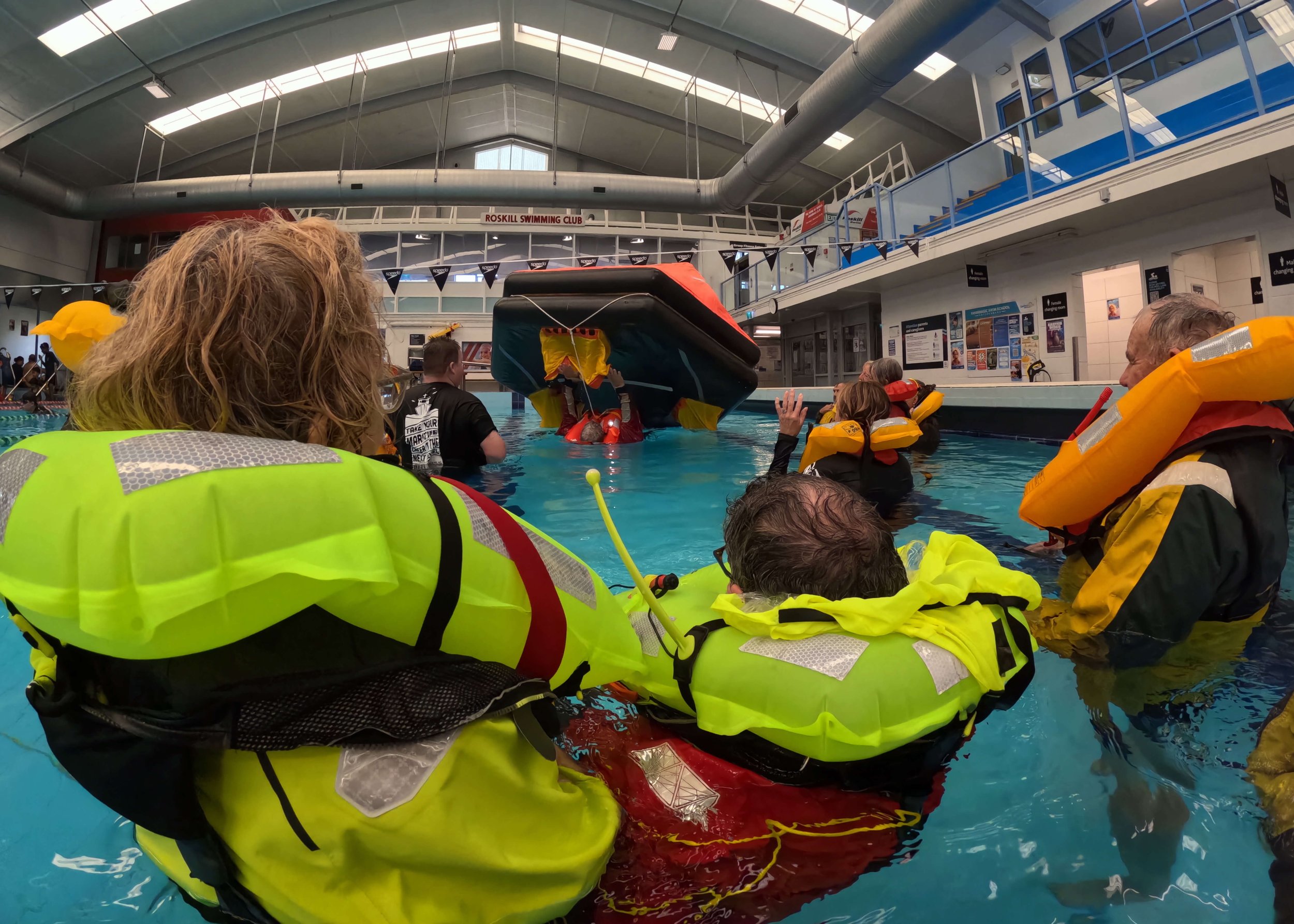
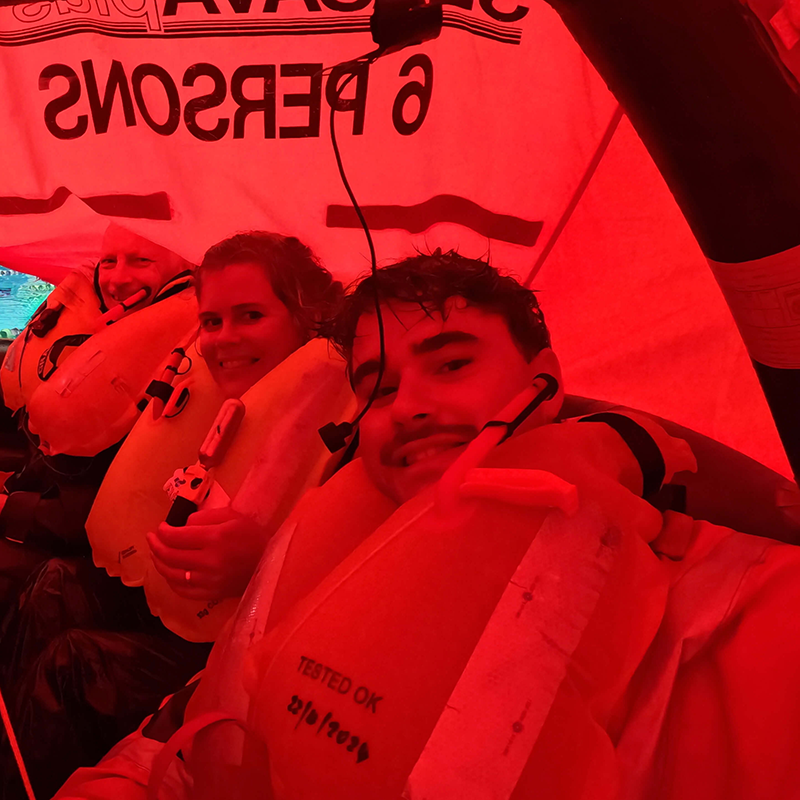
There is a chance a liferaft will deploy upside down in a real emergency, so we learn the technique for righting the liferaft and each practice this.
The theory is one thing. The practical sessions are where big learnings happen. Our group claimed the pool drills as a highlight. If "highlight" can include a fair amount of butt-tocrowd, undignified heaving, hauling and slithering into the liferaft and disappearing through the canopy (which I thought looked like a reverse birth process) - either way it kept the public in the pool well entertained. There were plenty of laughs (5 people swimming in a crocodile formation is a test of group coordination) and plenty of important lessons around inflation and deflation of PFDs, with the realisation of how important the crotch strap is to keep your PFD on and more comfortable.
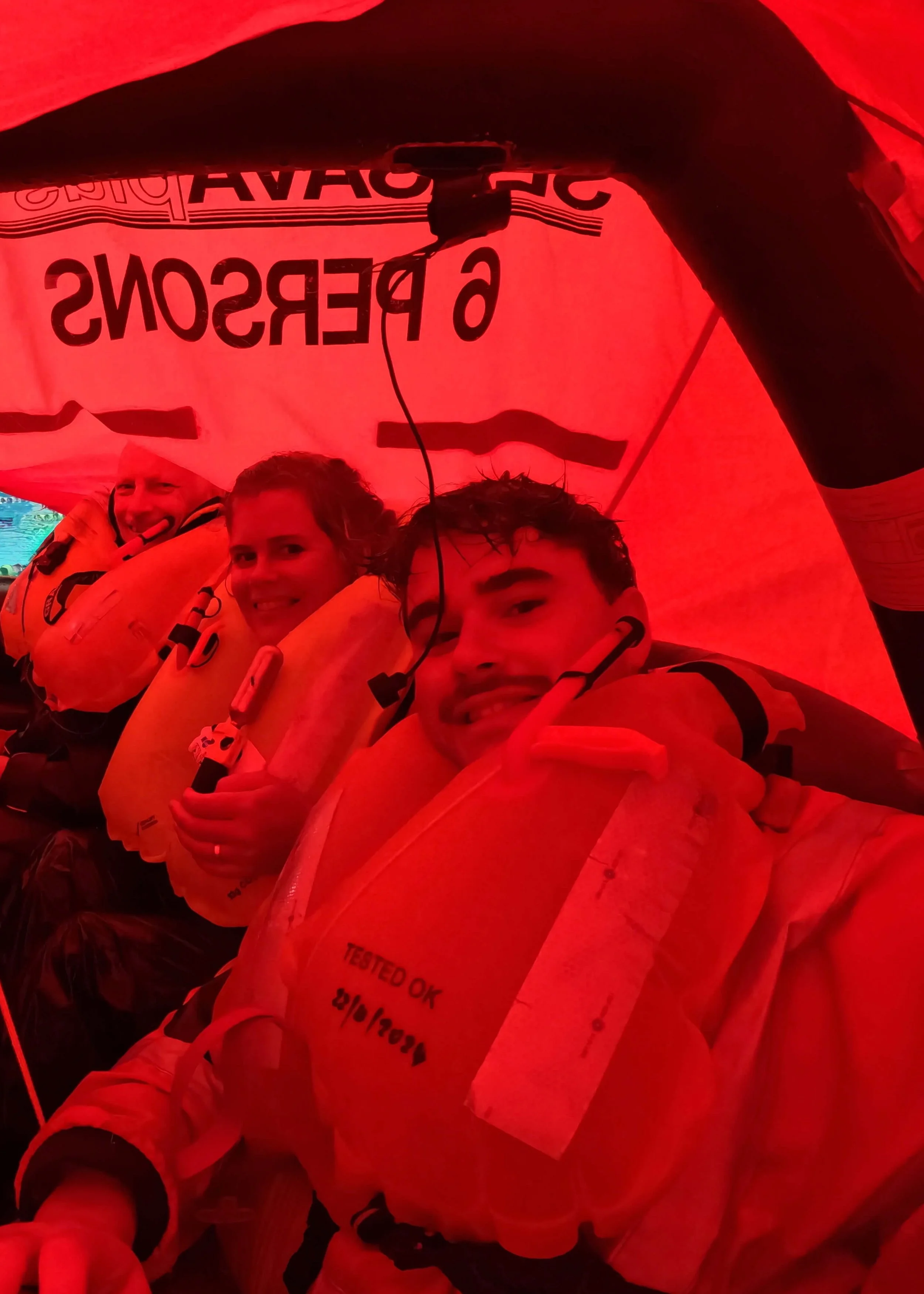
Our raft practice was a sobering reality check. No one found being packed shoulder to shoulder in a floating sloshpit with restricted airflow under the canopy fun by any stretch of the imagination.
How would we get on if faced with this scenario for real? And that's the point. At least now we have some idea of what we’d be in for. We have emergency processes and techniques to use. And more than ever, we’ll be doing our absolute damndest to ready ourselves, our boats and crew so none of us (touch wood) ends up needing to abandon ship.
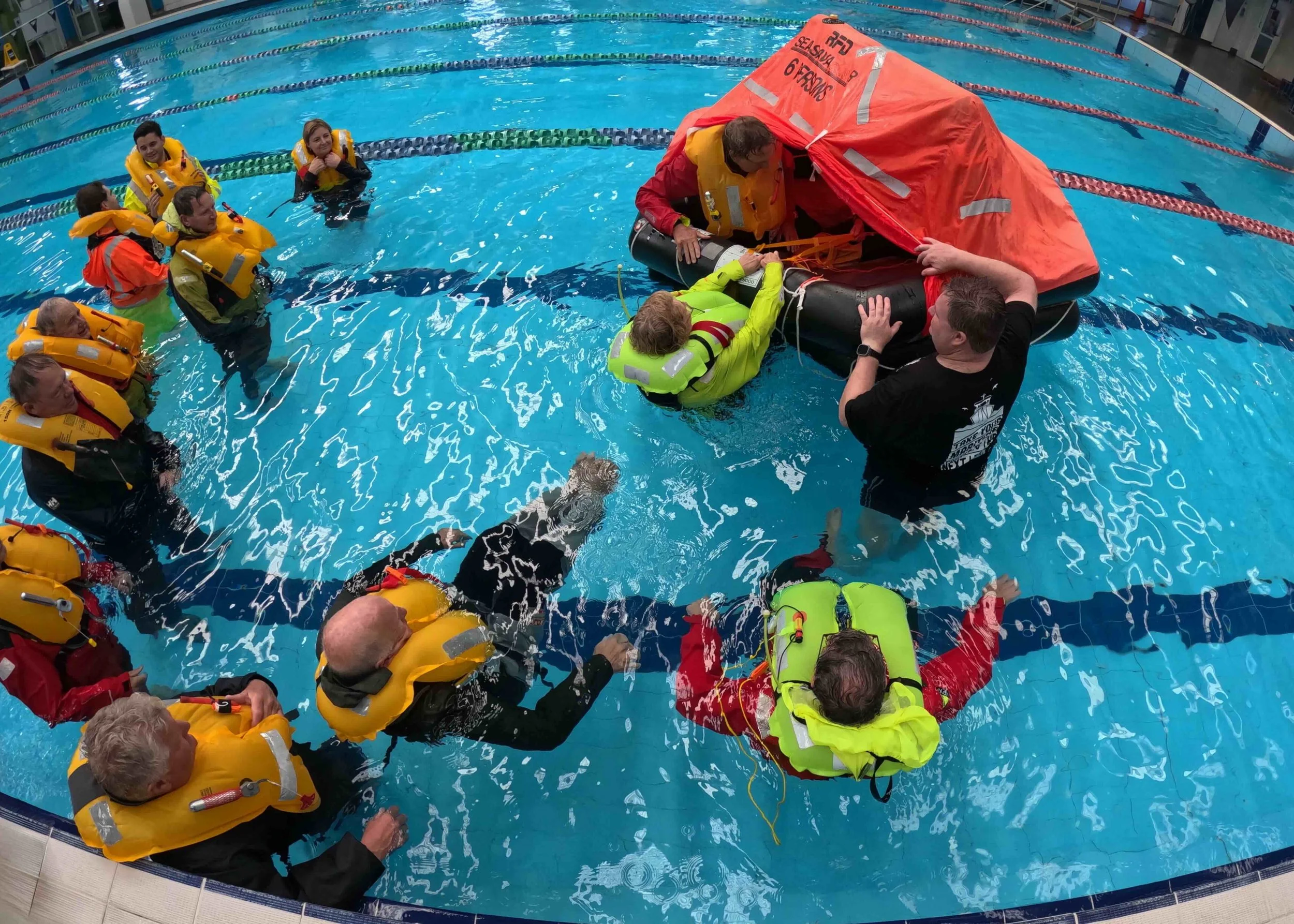
Getting into a liferaft is easier in theory than practice.
Distress Signals & Flares
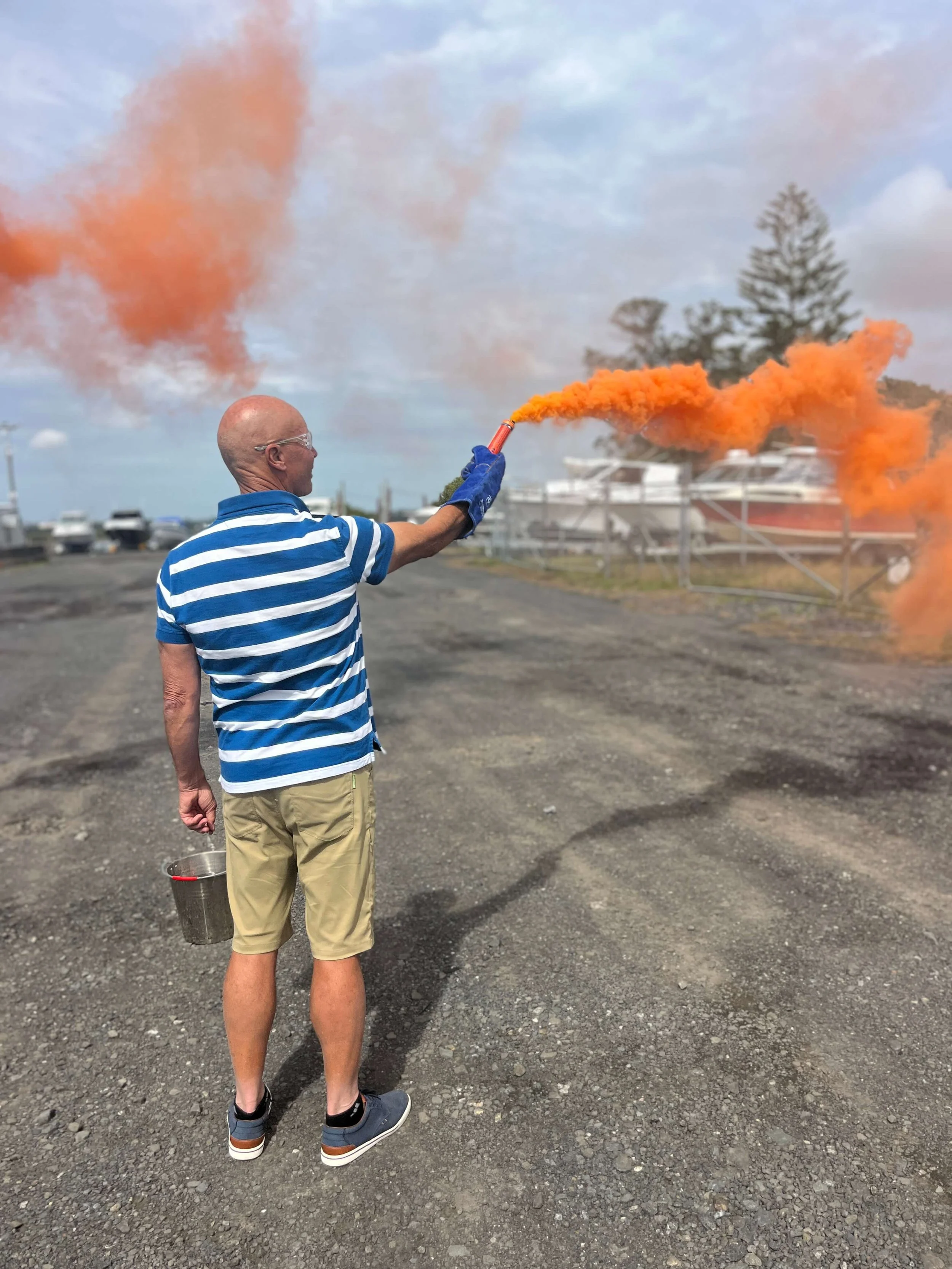
Releasing smoke signals and flares with a bucket of water at the ready to cool them once discharged
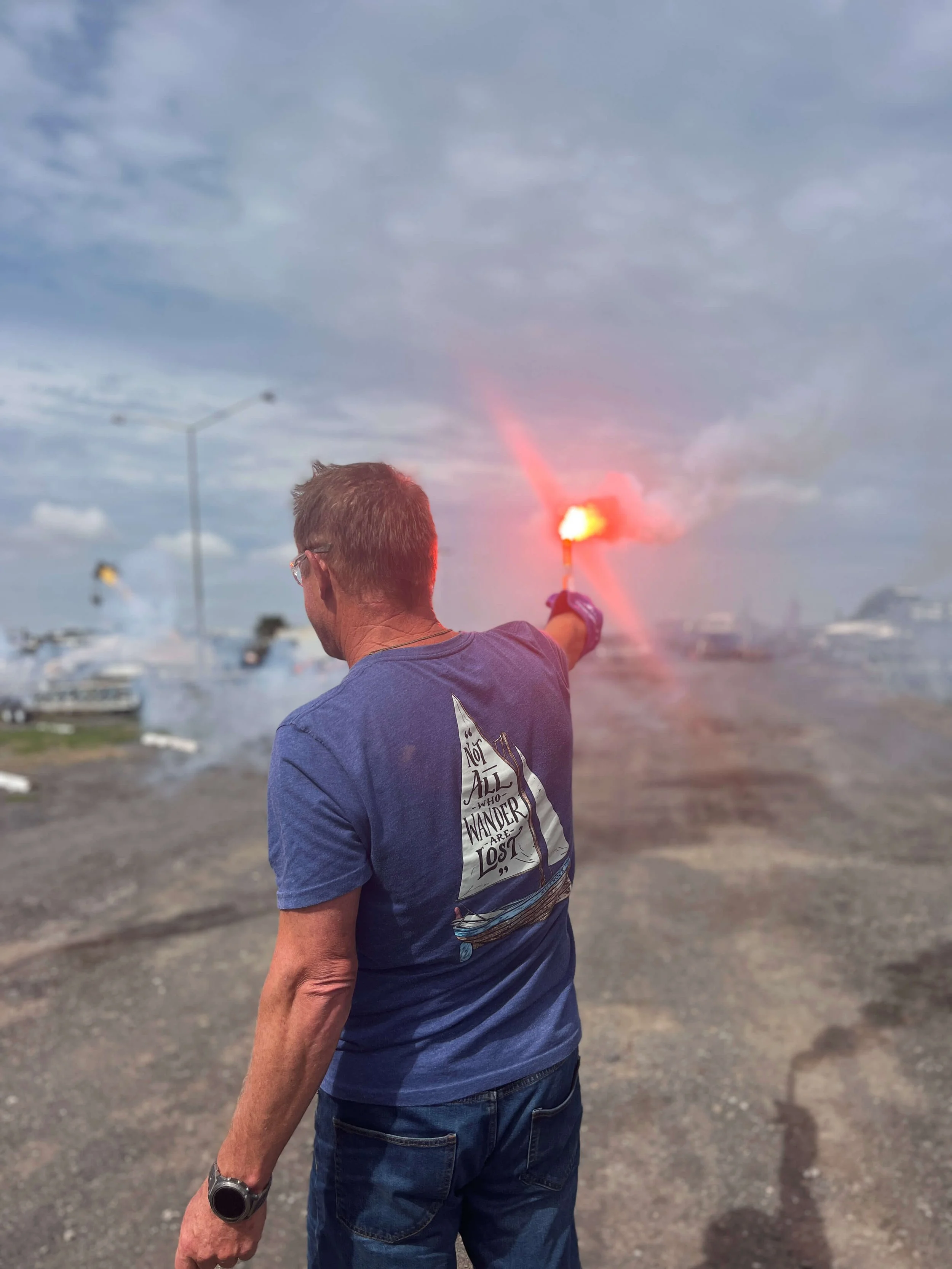
Knowing in theory how a flare works is different to ripping the tab off, feeling the pause and holding it at arm’s length while hot heat spews from the end like a firework on steroids.
Maybe you will add a glove to your flare box or grab bag after all.
Experience Matters — But Preparation Is Key
Back in the classroom, that same mix of experience and realism was brought to life by Phil Bishop. All of the Skipper Training tutors have a depth of maritime knowledge. Phil’s qualifications run from MNZ Skipper Coastal/Offshore to RYA Yachtmaster Ocean (commercially endorsed) to Sea Survival Instructor. His own skippering experiences and calm approach in high pressure situations, were valuable to hear and we had some good laughs to balance the serious death convos. Personally I think he gets extra points for keeping us on track and on time (sailing stories never seem to be short!).
Beyond the Certificate
Maritime New Zealand requires the Offshore Personal Safety Certificate for 30% of crew heading offshore under the IVC, and it’s valid for five years. So yes, the course ticks a box. But the real payoff is what happens after. It’s the conversations you go on to have with your skipper or crew and extra checks you run through before departure. Learning the systems onboard as crew, and practicing out on the water shifts you from our ingrained New Zealand attitude of “she’ll be right” to: “we’ve planned for this.”
As I prepare to crew to Tonga, I know exactly what I’ll be doing over the coming month. Because the better prepared we are for things going wrong, the more we can actually enjoy things going right.
And that sounds good to me.
In Summary: If You’re Planning To Go Offshore as Crew
If you’re looking to crew offshore, this is what actually matters:
Take responsibility for your own safety(don’t rely on the skipper). You need to be prepared to handle emergencies — especially if something happens to the skipper (a medical emergency or accident can happen!).
Understand basic emergency procedures before you step onboard. You shouldn’t just rock up to the boat a day before departure and consider yourself ‘ready to go’. If the skipper isn’t prepared to put the time into practicing and prepping you for the passage, then don’t go to sea. It’s not worth the risk.
Practice real scenarios — not just theory. Referring to the above point — spend time with the boat and crew sailing and practicing before your head on your big passage.
Invest in proper safety gear that will keep you onboard, and protected (like the Spinlock Deckvest LITE+) and if you end up in the water then give you the best chance at survival. If you’re questioning whether you need to fork out for offshore wet weather gear, I answer that here.
Show that you’re taking offshore sailing seriously. Take a course like the Offshore Personal Safety one I’ve written about here. You don’t need thousands of miles in order to crew offshore but you do need to be prepared.
Because sailing offshore, that’s what matters.
Did you enjoy this article? Share it online and read more on the Journal…




Dreaming of ditching a conventional life on land with your kids? Here’s the only book you’ll need — it’s the ultimate guide to picking the right boat, preparing your family, and thriving at sea.